How Turf Color Affects Heat Absorption in the Desert
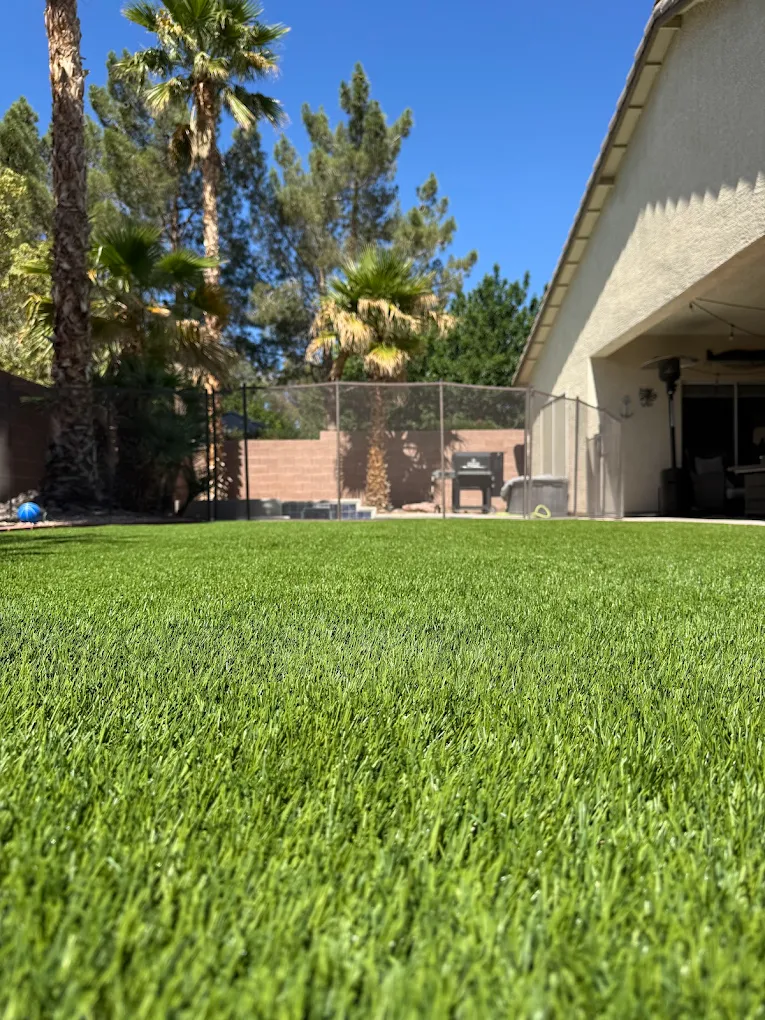
The color of your artificial turf directly determines how much solar radiation it absorbs versus reflects, and in San Diego where summer air temperatures regularly exceed 85 degrees Fahrenheit, this distinction matters enormously. Darker turf colors can reach surface temperatures of 130 degrees or higher under direct afternoon sun, while lighter shades may stay 15 to 30 degrees cooler under identical conditions. For families with children and pets in Carlsbad, La Jolla, and Mission Valley, this temperature difference transforms turf from unusable to comfortable during peak heat months.
The science behind this is straightforward: darker pigments absorb a broader spectrum of solar radiation and convert it to thermal energy. A deep forest green turf will absorb roughly 85 to 90 percent of incoming solar energy, while a lighter olive or sage green might absorb only 70 to 75 percent. That 15 percent difference translates to a meaningful temperature reduction across your entire yard, making outdoor spaces in Pacific Beach and Encinitas more enjoyable from May through September.
Beyond comfort, heat absorption also accelerates material degradation. Turf that runs hotter experiences faster UV breakdown, more rapid infill compaction, and increased thermal expansion and contraction cycles that stress seams and backing materials. Choosing a color that minimizes heat absorption is not just about comfort; it is a longevity strategy for your San Diego turf investment.
Top-Performing Turf Colors for San Diego
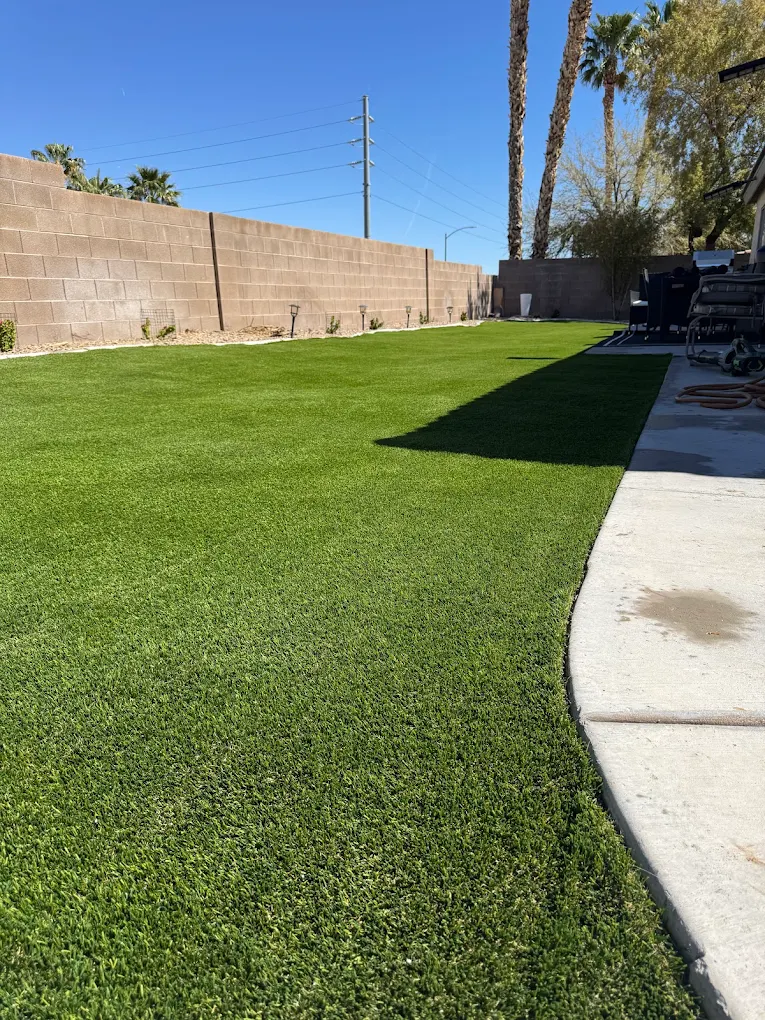
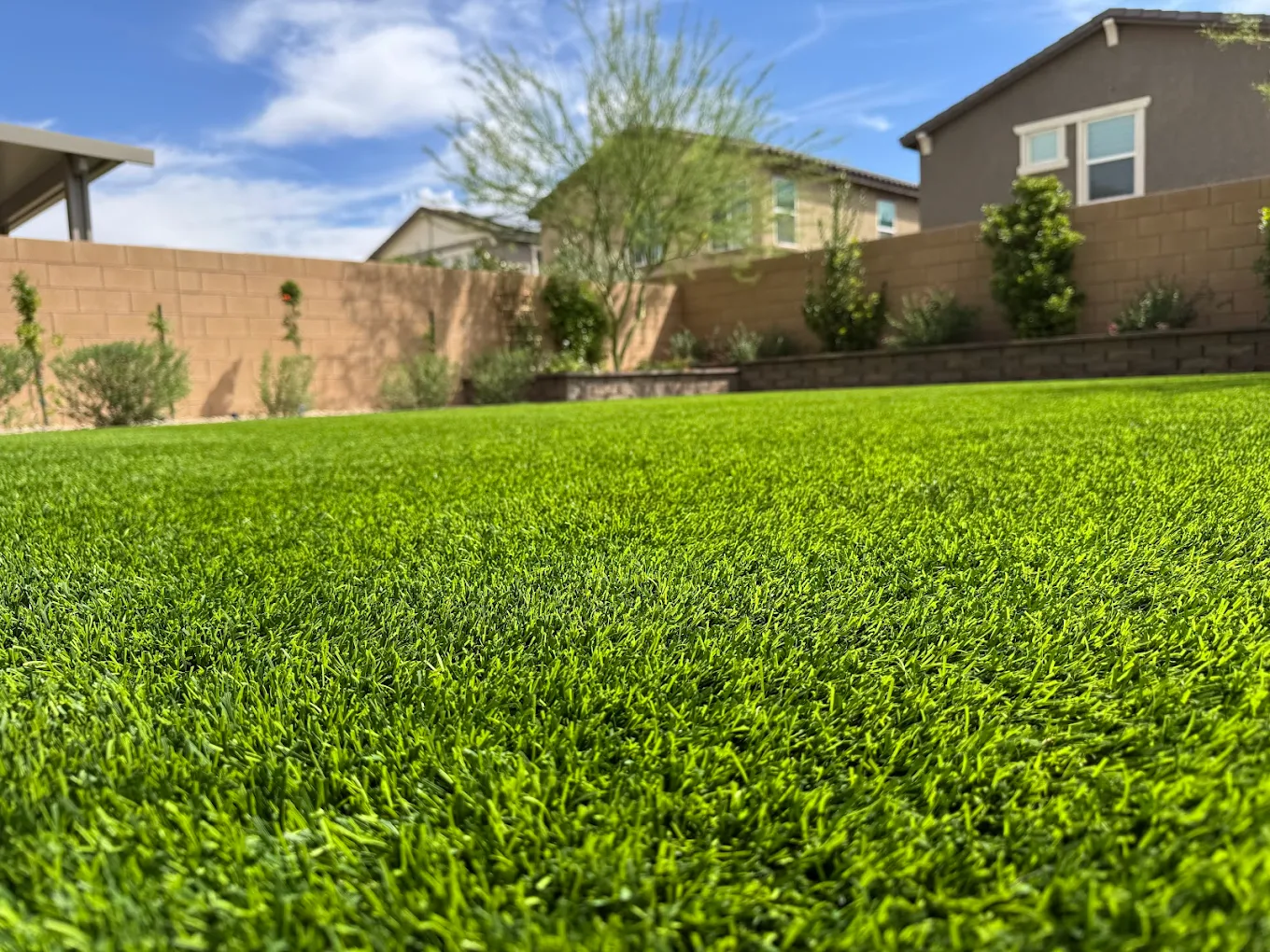
The best-performing turf colors for the San Diego area strike a balance between natural appearance and heat management. Olive green blends with integrated tan and brown thatch layers consistently outperform solid dark green products in San Diego installations. These multi-toned blends look more natural than single-color products and reflect more solar radiation thanks to the lighter thatch elements woven throughout the turf profile.
Field-tested products in San Diego County have shown that a medium olive green with a 20 to 30 percent tan thatch blend runs approximately 20 degrees cooler than a solid emerald or forest green product of the same pile height. Homeowners in Rancho Bernardo and Chula Vista who have installed these blended products report that their turf remains walkable in bare feet up to an hour later in the afternoon compared to darker alternatives.
- Olive green with tan thatch: best overall balance of appearance and heat performance
- Sage green blends: excellent heat reflection with a natural natural look
- Spring green with brown thatch: moderate heat performance with vibrant appearance
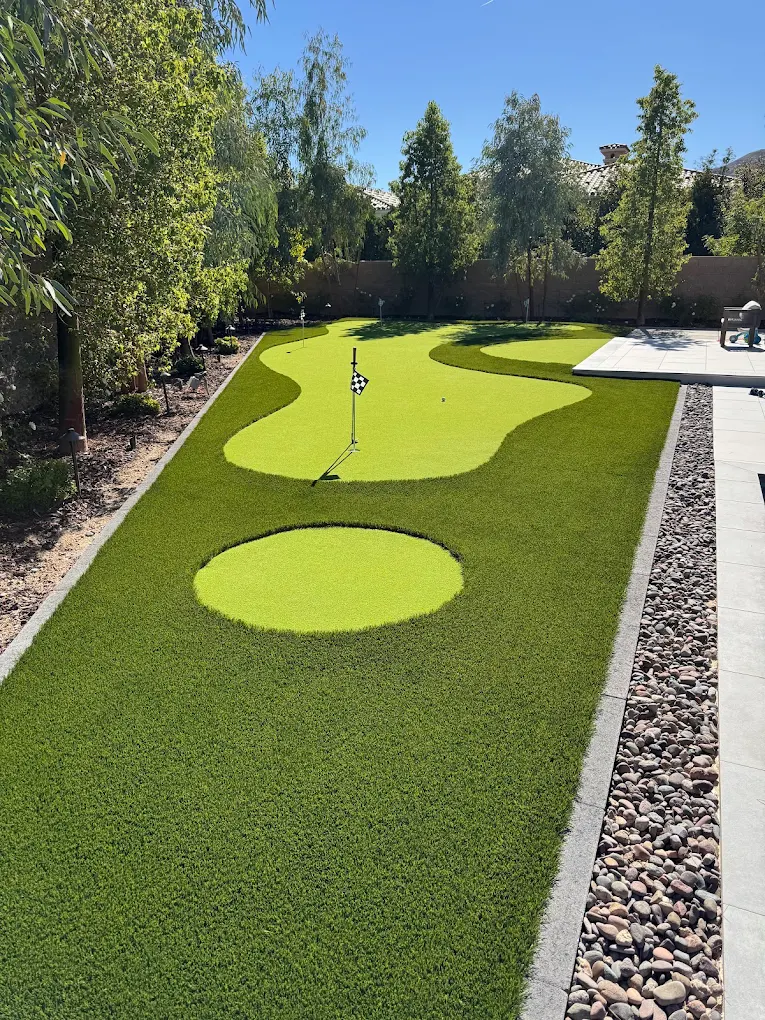
- Lime or bright green: cooler than dark green but may look less natural in San Diego settings
- Forest or emerald green: most natural grass appearance but highest heat absorption
Request turf samples and leave them in your yard for a full day during summer. Measure the surface temperature of each sample at 2 PM to get real-world data for your specific sun exposure conditions.
Which Colors Resist Fading Best in Desert Sun
Fade resistance varies significantly by color, and this is an often-overlooked factor when selecting turf for San Diego properties. Lighter, more muted tones like olive and sage green tend to show fading less dramatically than vivid, saturated colors. A forest green turf that fades becomes noticeably yellowish and dull, while an olive blend that fades the same percentage maintains a more natural appearance because the color shift is less visually jarring.
Multi-toned turf products with built-in color variation also mask fading more effectively than solid-color alternatives. When a blended turf with three or four colors fades, the variation in tone remains, and the overall look stays natural even as individual colors shift slightly. This is why many San Diego landscapers in the Del Mar and Ramona areas specifically recommend multi-toned blends for their superior long-term aesthetic performance in intense UV conditions.
Need Professional Turf Cleaning?
Get a free, no-obligation quote for your San Diego property. Same-day service available.
Coordinating Turf Color with Desert Landscaping
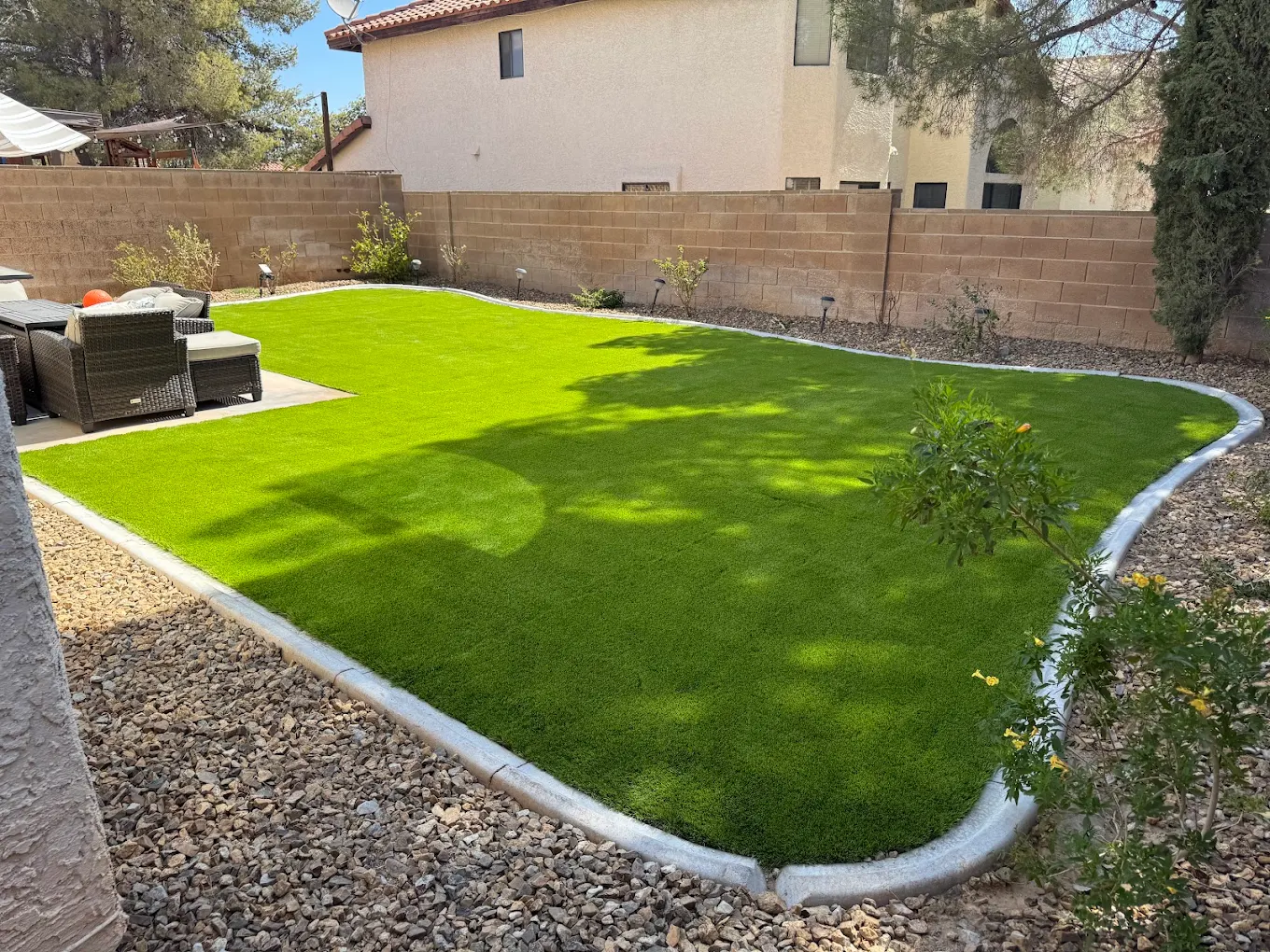
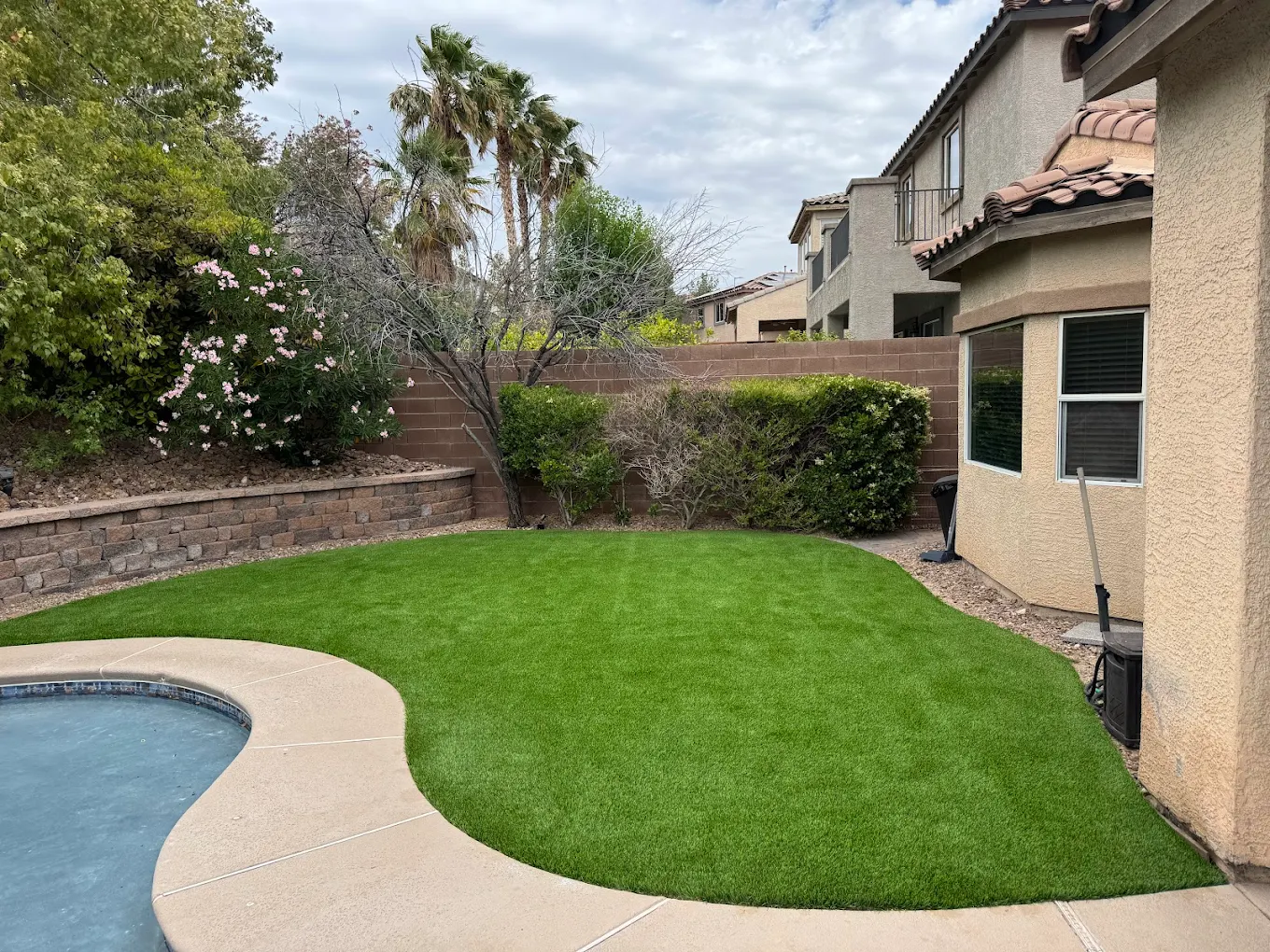
San Diego yards rarely exist in isolation, and the best turf color for your property depends partly on the surrounding landscape elements. Decorative rock, decomposed granite, pavers, and native plants all create a visual context that influences how your turf color reads to the eye. A turf that looks perfect in a showroom can appear garish or artificial when installed next to tan decorative rock or against a backdrop of muted sage and mesquite plantings common in Carlsbad and La Jolla neighborhoods.
The most successful San Diego turf installations use colors that complement rather than contrast with the surrounding coastal palette. Warm-toned greens with subtle yellow or brown undertones integrate seamlessly with the tan, rust, and ochre tones of natural native landscaping. Many North County and Encinitas homeowners find that bringing a handful of their landscape rock and a few plant cuttings to the turf showroom helps them select a color that works harmoniously with their existing outdoor design.
Consider the color of your home's exterior and hardscape elements as well. A cool-toned gray stucco home pairs differently with turf than a warm-toned warm-toned exterior. Professional landscapers in San Diego County often create mock-up sections using turf samples placed against the actual home and hardscape to evaluate the complete visual composition before committing to a full installation.
Cool-Touch Turf Technologies for San Diego
Several turf manufacturers now offer products with integrated cooling technologies that go beyond color selection to actively reduce surface temperatures. These systems use proprietary infill materials, reflective fiber coatings, or specialized polymer blends designed to reflect infrared radiation while still appearing green to the human eye. For San Diego homeowners in Pacific Beach and Mission Valley, these products can reduce surface temperatures by an additional 10 to 15 degrees beyond what color selection alone achieves.
Cooling infill products made from materials like coated sand, acrylic-coated polymers, or organically derived materials absorb less heat than traditional silica sand or crumb rubber infill. When combined with a light-colored turf in a yard across Chula Vista or Rancho Bernardo, the combination of cool-color fibers and heat-reflective infill creates a surface that remains usable well into the afternoon during San Diego summers. These products typically cost 15 to 25 percent more than standard options but deliver measurable comfort improvements.
Common Color Selection Mistakes in San Diego
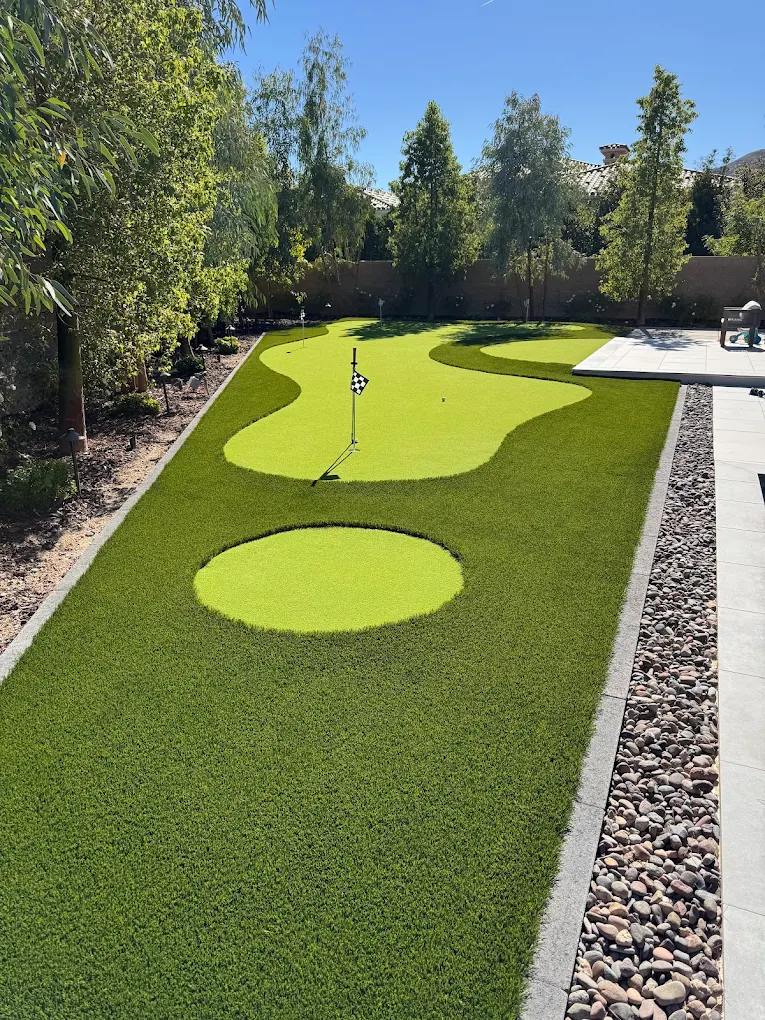
The most common mistake San Diego homeowners make is choosing turf based on how it looks indoors under showroom lighting. Fluorescent and LED showroom lights create a completely different color perception than the intense direct sunlight in your backyard. Colors that appear rich and vibrant inside will look different outdoors, and what seems like a perfect green in La Jolla may wash out or appear overly bright under midday Southern California sun.
Another frequent error is selecting the darkest green available because it looks the most like natural grass. While dark greens may win the appearance contest in the showroom, they create the hottest surfaces, fade the most visibly, and often look the least natural in a San Diego setting where surrounding vegetation tends toward muted, silvery greens and gray-greens. Experienced San Diego turf installers consistently report that customers who initially resist lighter color recommendations end up happier with the result after living with the turf through a full summer season.
Never select turf color based solely on indoor showroom viewing. Always evaluate samples outdoors in full San Diego sun, ideally over several hours, to see how the color reads under actual installation conditions.