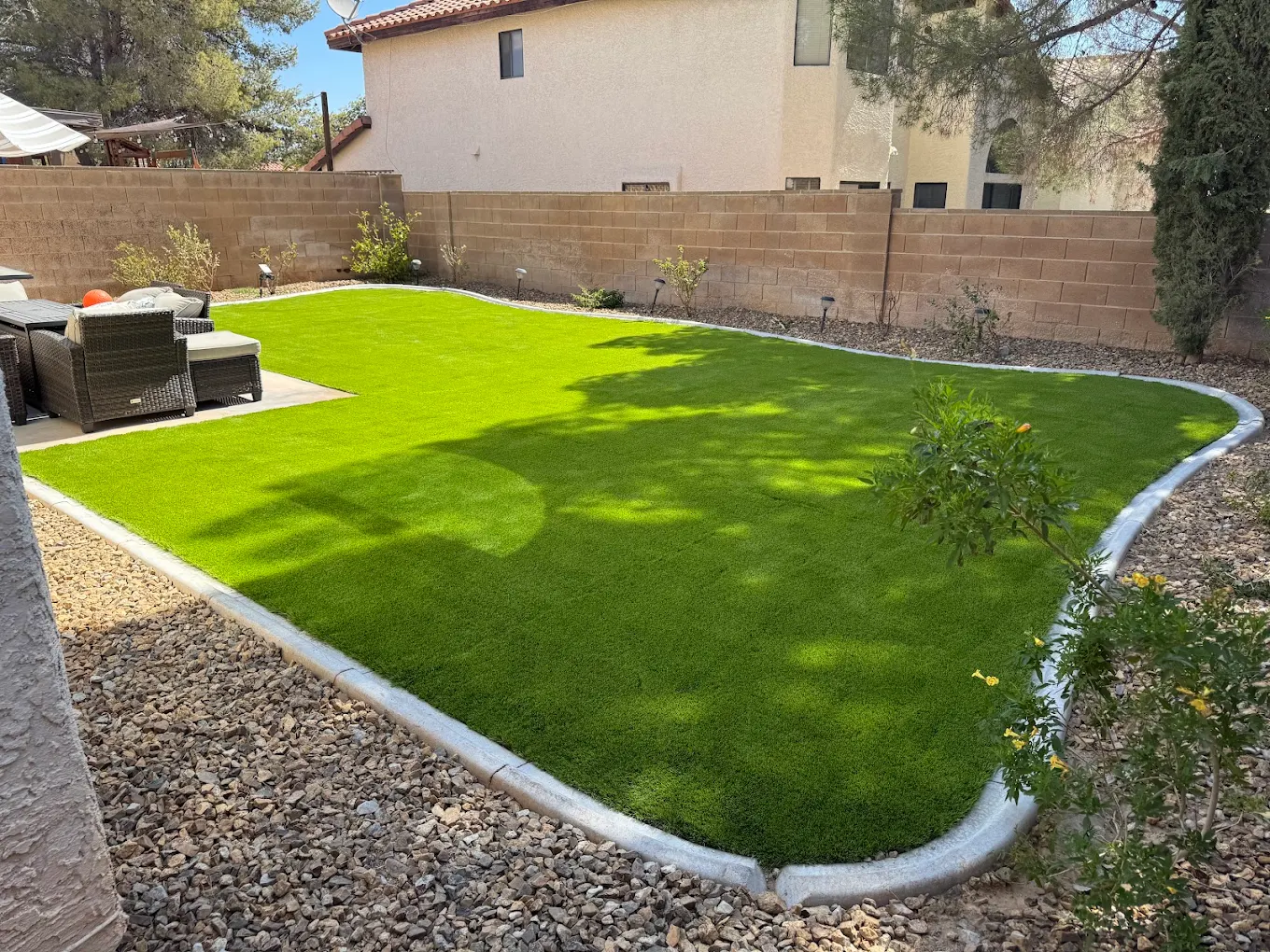
Why the Base Matters More Than the Turf
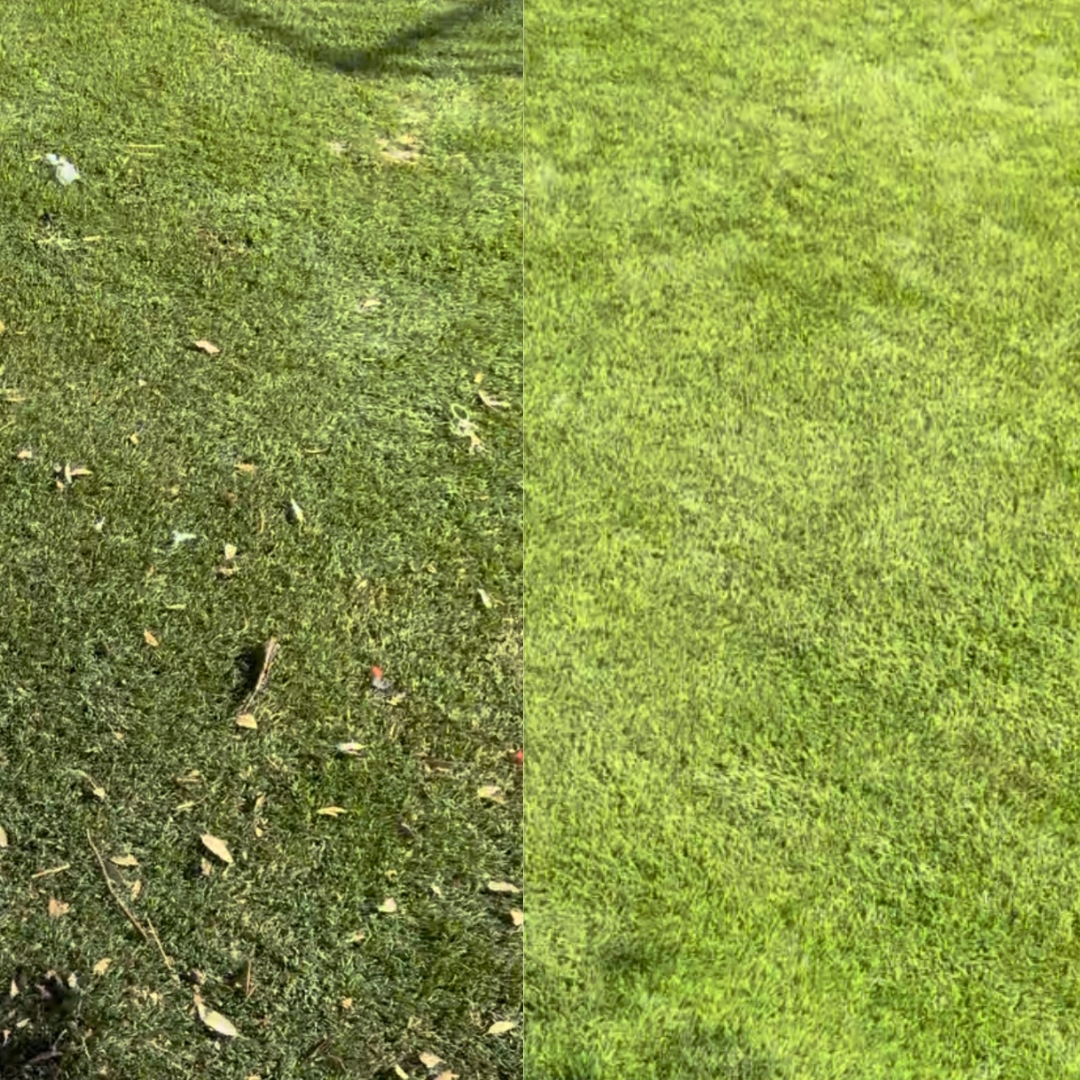
Ask any experienced San Diego turf installer what determines long-term turf performance, and they will tell you the same thing: it's the base. The foundation beneath your artificial turf affects drainage, stability, surface levelness, weed prevention, and ultimately the lifespan of your entire installation. Premium turf installed on a substandard base will underperform budget turf on a properly prepared base every time. Yet many homeowners focus exclusively on turf selection while treating base preparation as an afterthought.
San Diego presents specific base challenges that differ from other markets. The native caliche soil common across neighborhoods from La Jolla to North County is nearly impermeable when dry, creating drainage problems that standard base preparations may not adequately address. Extreme temperature swings cause soil expansion and contraction that can shift base materials and create surface irregularities. And the minimal rainfall means that when water does arrive, whether from cleaning, rainy storms, or pool overflow, drainage must work immediately or problems develop quickly.
Understanding your base options and their performance characteristics in San Diego conditions helps you make an informed decision that protects your turf investment for the long term. The base is where you should allocate your budget generously, because correcting base problems after turf installation is expensive and disruptive.
Class II Road Base (Crushed Aggregate)
Class II road base, also called crushed miscellaneous base (CMB), is the industry standard for San Diego artificial turf installations and the most widely recommended base material. This crushed aggregate contains a graded mix of stone particles from fine dust to three-quarter-inch pieces that compacts into a dense, stable foundation when properly installed. A typical installation uses 3 to 4 inches of Class II base compacted to 90 percent or higher density using a plate compactor.
Class II base excels in San Diego because it provides excellent drainage while maintaining surface stability. The angular, interlocking particles resist shifting under foot traffic and thermal cycling, maintaining a level surface for years. Drainage rates through properly graded Class II base typically exceed 10 inches per hour, more than adequate for even the heaviest rainy downpours that hit neighborhoods across Carlsbad, Pacific Beach, and Encinitas. The material is readily available from San Diego aggregate suppliers at $25 to $40 per ton, making it cost-effective for projects of any size.
- Industry standard for San Diego turf installations
- Excellent compaction and long-term stability
- Drainage rates exceeding 10 inches per hour when properly graded
- Readily available from local aggregate suppliers at $25-40 per ton
- Requires 3-4 inch depth compacted to 90%+ density
- Compatible with all turf types and infill systems
When ordering Class II road base, request the material be delivered slightly moist. Moist aggregate compacts more uniformly than dry material, producing a denser, more stable base that resists shifting under San Diego temperature extremes.
Decomposed Granite as a Turf Base
Decomposed granite is sometimes used as an alternative base material, particularly when homeowners are repurposing existing DG from a previous landscape. While DG can function as a base, it has significant limitations compared to Class II road base for San Diego turf installations. DG compacts less densely than crushed aggregate due to its more uniform particle size, creating a base that is more prone to shifting and settling over time.
Drainage through DG base is generally adequate but less consistent than through Class II aggregate. The fine particles in DG can migrate downward and compact into a less permeable layer over time, particularly when subjected to repeated wetting and drying cycles from turf cleaning and rainy events. Installers in La Jolla, Mission Valley, and Chula Vista who have used DG as a base material report higher rates of surface irregularities developing within 3 to 5 years compared to Class II base installations.
Need Professional Turf Cleaning?
Get a free, no-obligation quote for your San Diego property. Same-day service available.
Specialty Drainage Systems and Panels
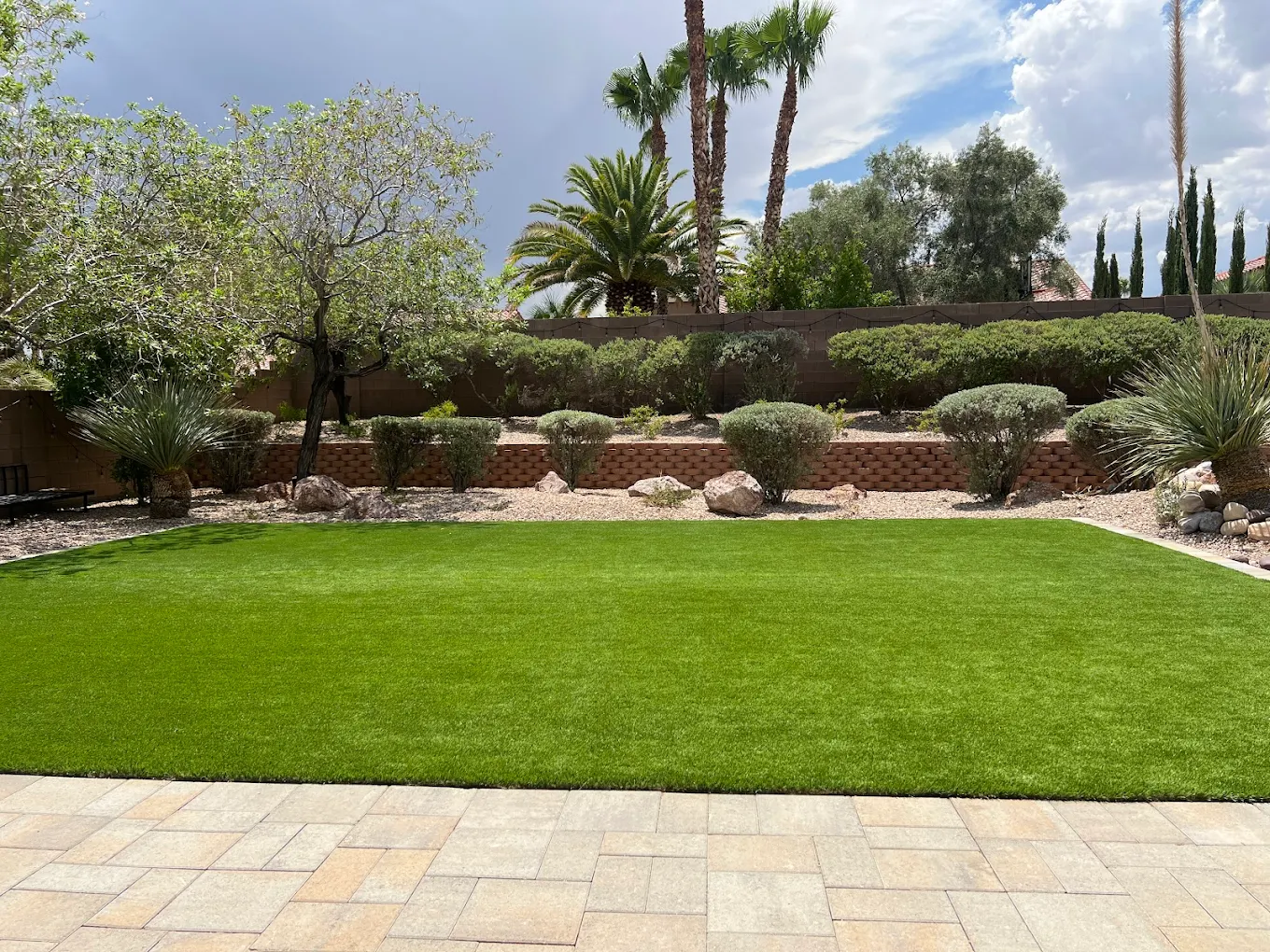
For installations where standard base drainage is insufficient, specialty drainage systems provide enhanced water management. Drainage panels, sometimes called geocomposite drainage layers, are rigid or semi-rigid sheets with channels that direct water laterally to collection points. These panels install between the base and turf, creating a dedicated drainage plane that handles high water volumes from pool areas, pet zones, and locations where roof runoff concentrates.
French drains and channel drains address specific drainage challenges common in San Diego properties. Side yards, areas adjacent to pool equipment, and low spots where water naturally collects may need supplemental drainage beyond what a standard base provides. Properties in North County, Ramona, and older neighborhoods in Pacific Beach where grading issues or clay-heavy soil create persistent drainage problems benefit most from these specialty solutions. The cost premium of $2 to $5 per square foot for specialty drainage is justified when standard base drainage cannot keep the site dry.
Weed Barrier Integration with Base Systems
A weed barrier fabric between the native soil and the base material prevents vegetation from penetrating through the base and emerging through the turf surface. In San Diego, where Bermuda grass and nutgrass are notoriously aggressive and can push through surprising barriers, a quality commercial-grade weed fabric is essential. Residential-grade landscape fabric from home improvement stores is too thin and degrades too quickly under the compacted base to provide long-term protection.
Commercial-grade woven geotextile fabric rated at 4 ounces per square yard or heavier provides effective long-term weed suppression while maintaining drainage permeability. The fabric should extend several inches beyond the turf perimeter and overlap at seams by at least 6 inches to prevent gap penetration. Homeowners in Rancho Bernardo and Encinitas who skip or skimp on weed barrier frequently deal with Bermuda grass shoots emerging through their turf within 2 to 3 years, requiring costly remediation.
Do not skip weed barrier fabric in San Diego installations. Bermuda grass and nutgrass are extremely aggressive and can penetrate even 4 inches of compacted base. Use commercial-grade geotextile fabric rated at 4 oz/sq yd minimum for reliable long-term weed prevention.
Choosing the Right Base for Your Installation
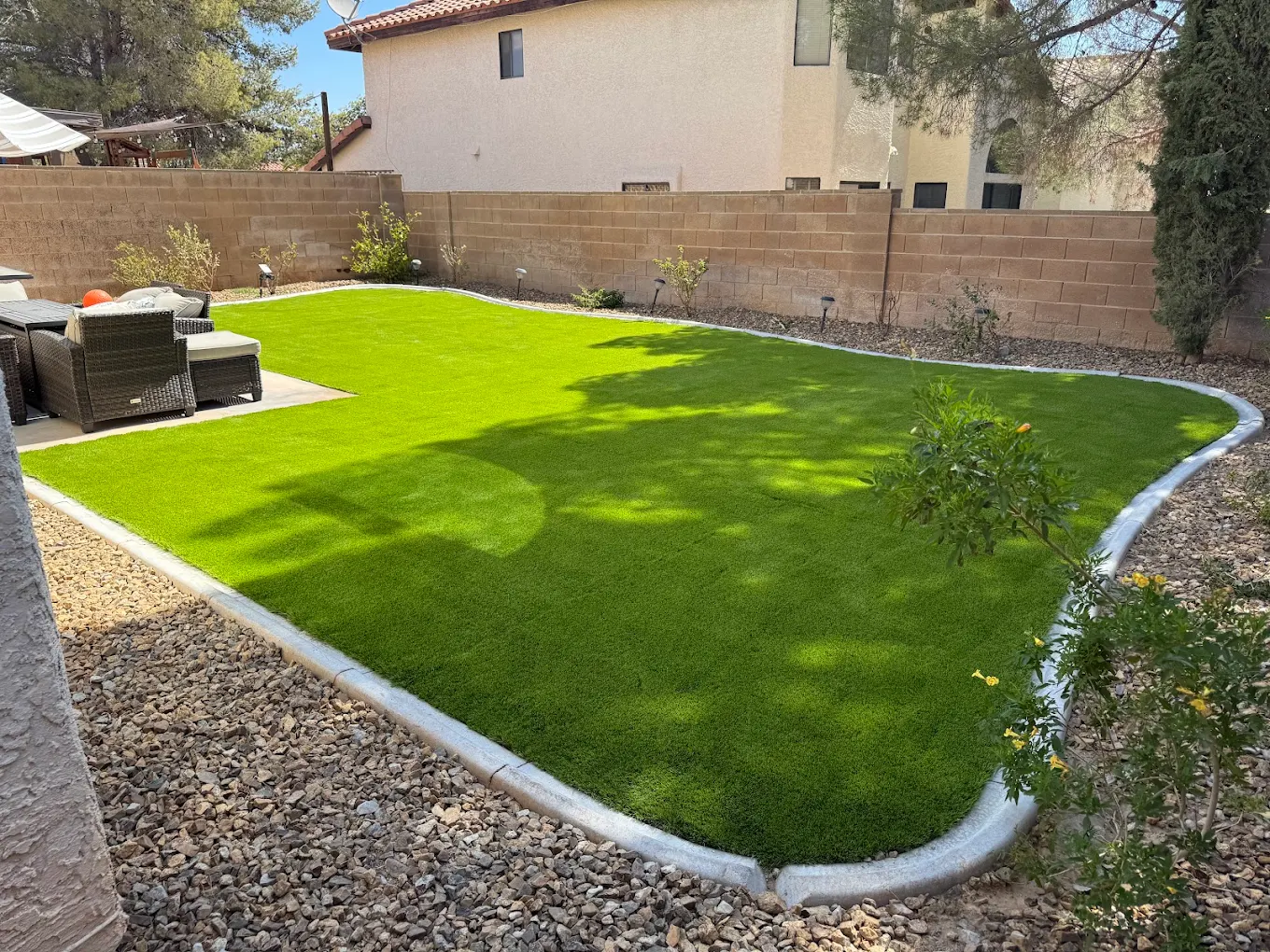
For the vast majority of San Diego residential and commercial turf installations, 3 to 4 inches of properly compacted Class II road base over commercial-grade weed fabric provides the optimal combination of drainage, stability, and longevity. This proven system handles typical residential drainage demands, withstands San Diego thermal cycling, and supports all common turf products and infill types. It is the recommendation of most experienced San Diego turf installers and the standard against which alternatives should be measured.
Upgrade to specialty drainage panels or supplemental drains when the installation site has specific drainage challenges: pool-adjacent areas, concentrated roof runoff zones, pet-intensive use areas, side yards with limited grading options, or properties with clay-heavy or caliche-dominant soil that impedes natural drainage. These situations are common enough in neighborhoods across Chula Vista, Del Mar, and Mission Valley that most installers carry drainage solutions as standard options.
Whatever base system you choose, never compromise on compaction quality. Under-compacted base material will settle unevenly, creating bumps, dips, and wrinkles in your turf surface that worsen over time and require lifting the turf for re-grading. Insist on mechanical compaction using a plate compactor and verify that the finished base is level and firm before turf installation begins.