San Diego Water Restrictions and the Push for Turf
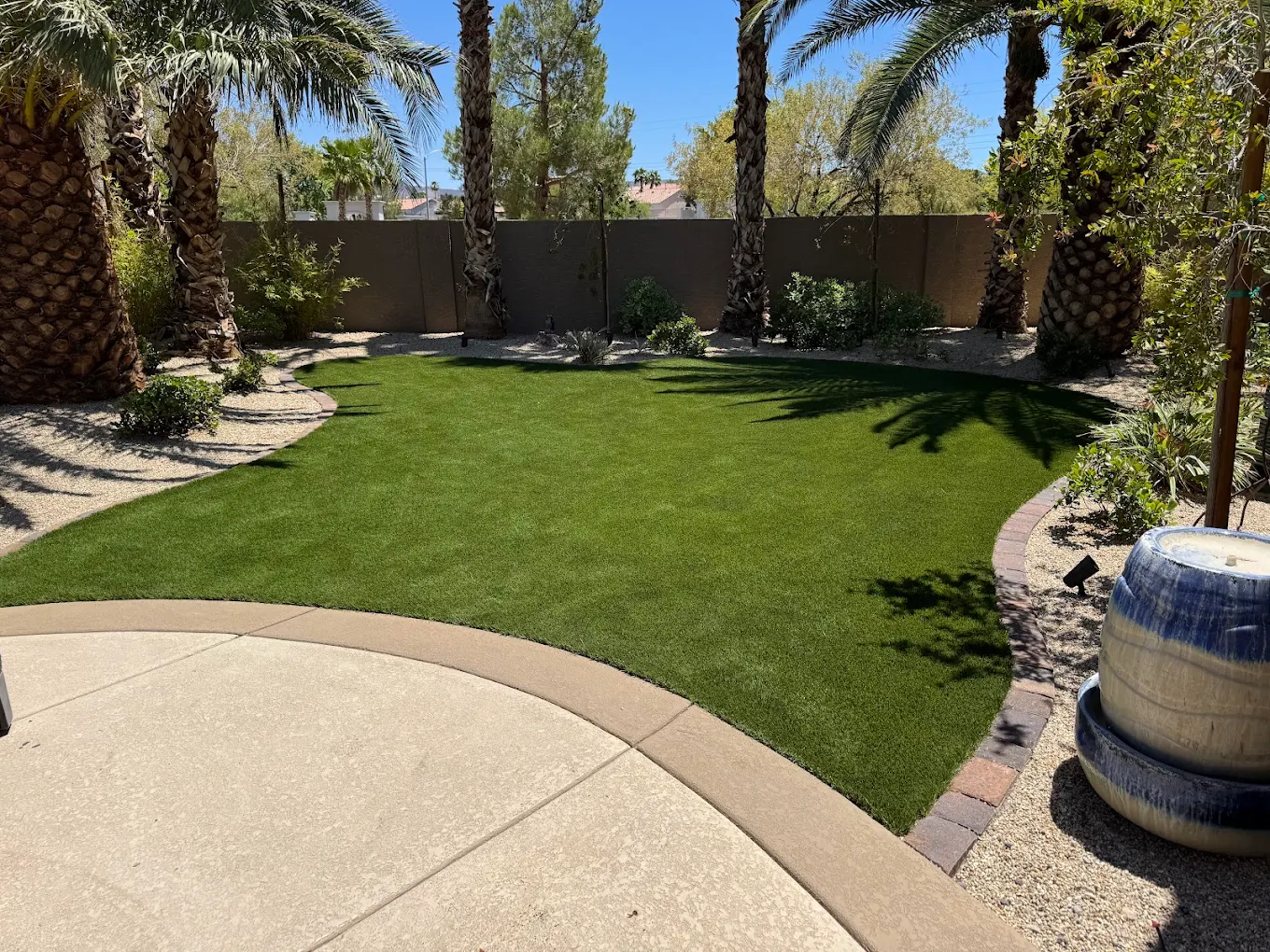
San Diego faces one of the most acute water challenges in the United States, drawing nearly all its municipal supply from local reservoir, which has experienced historically low water levels due to prolonged drought and increasing demand across the Colorado River basin. In response, the Southern California Water Authority and local municipalities have implemented progressively stricter water use regulations that directly impact residential landscaping choices across Carlsbad, La Jolla, Pacific Beach, and every neighborhood in the county.
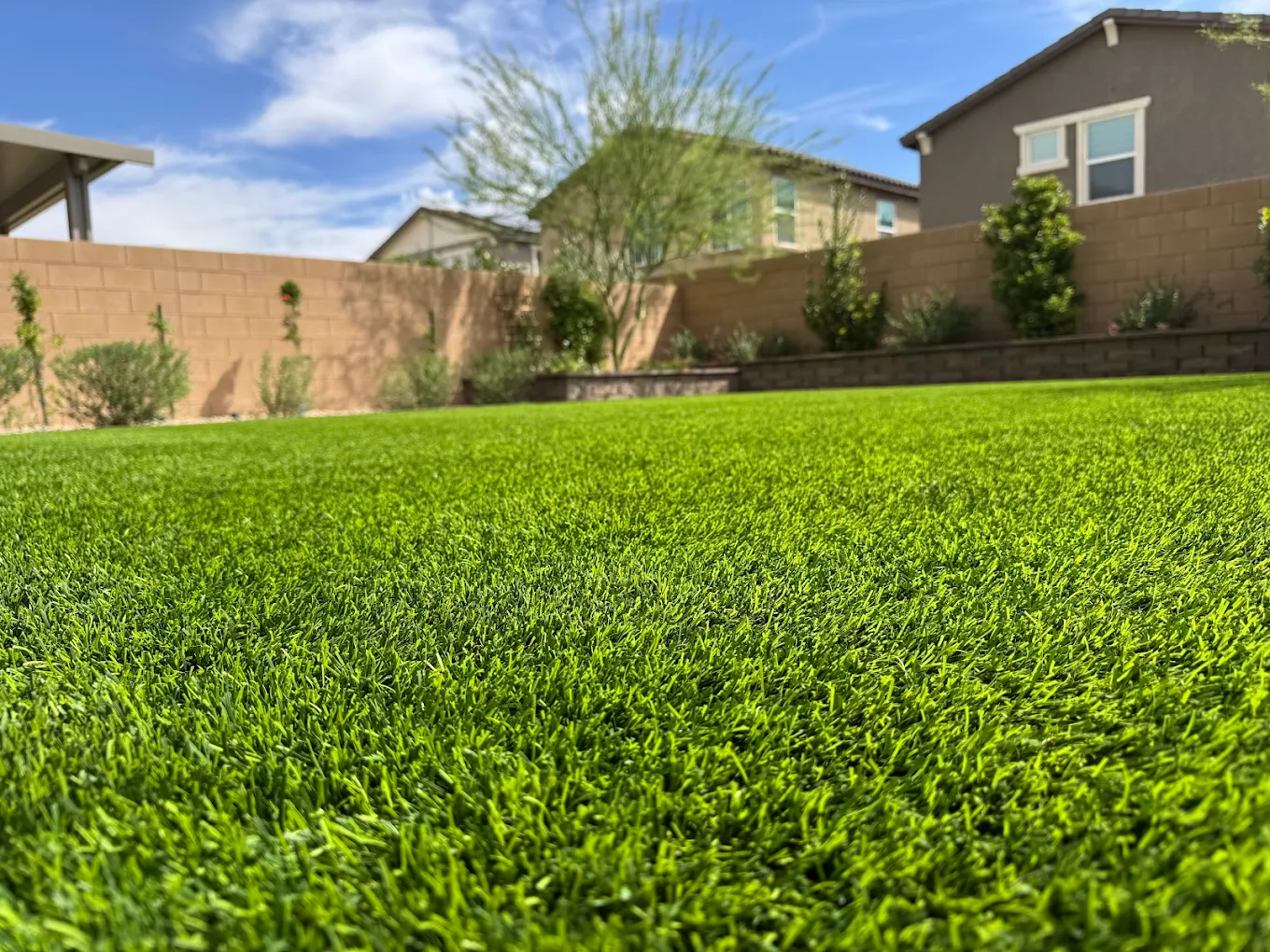
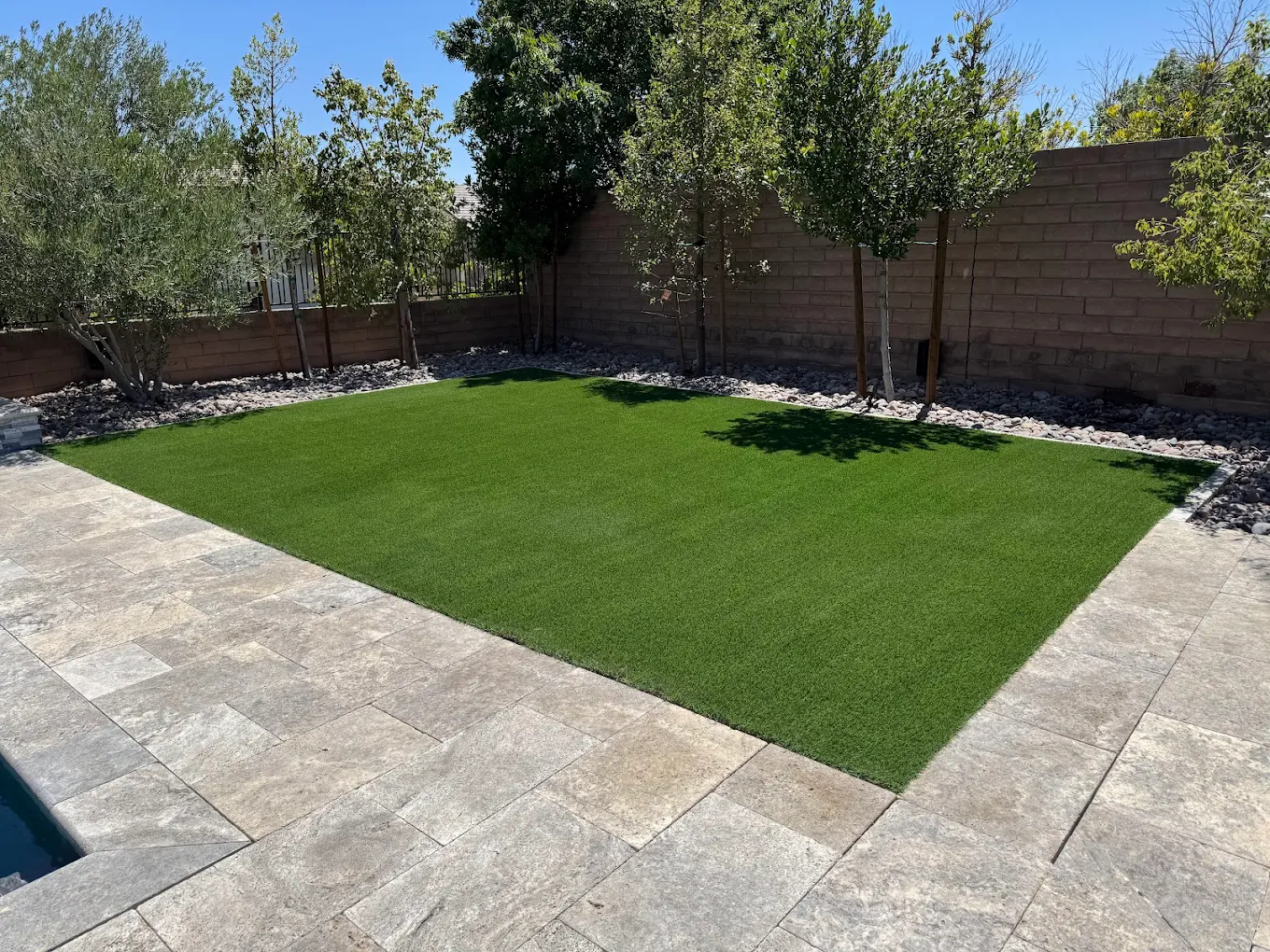
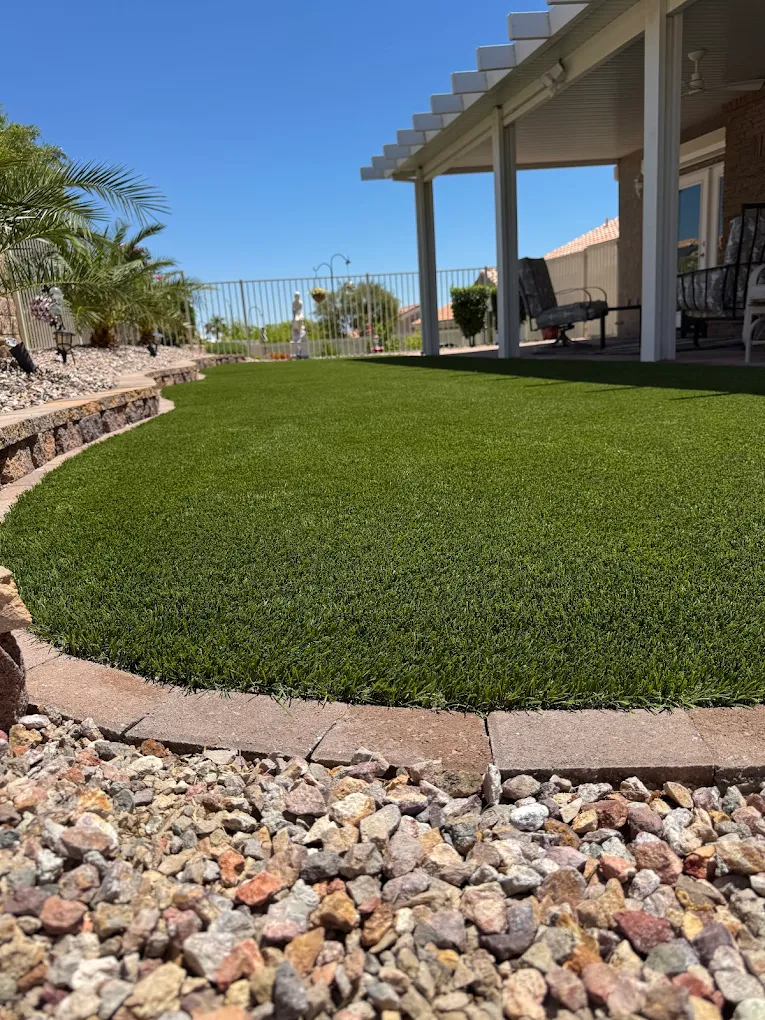
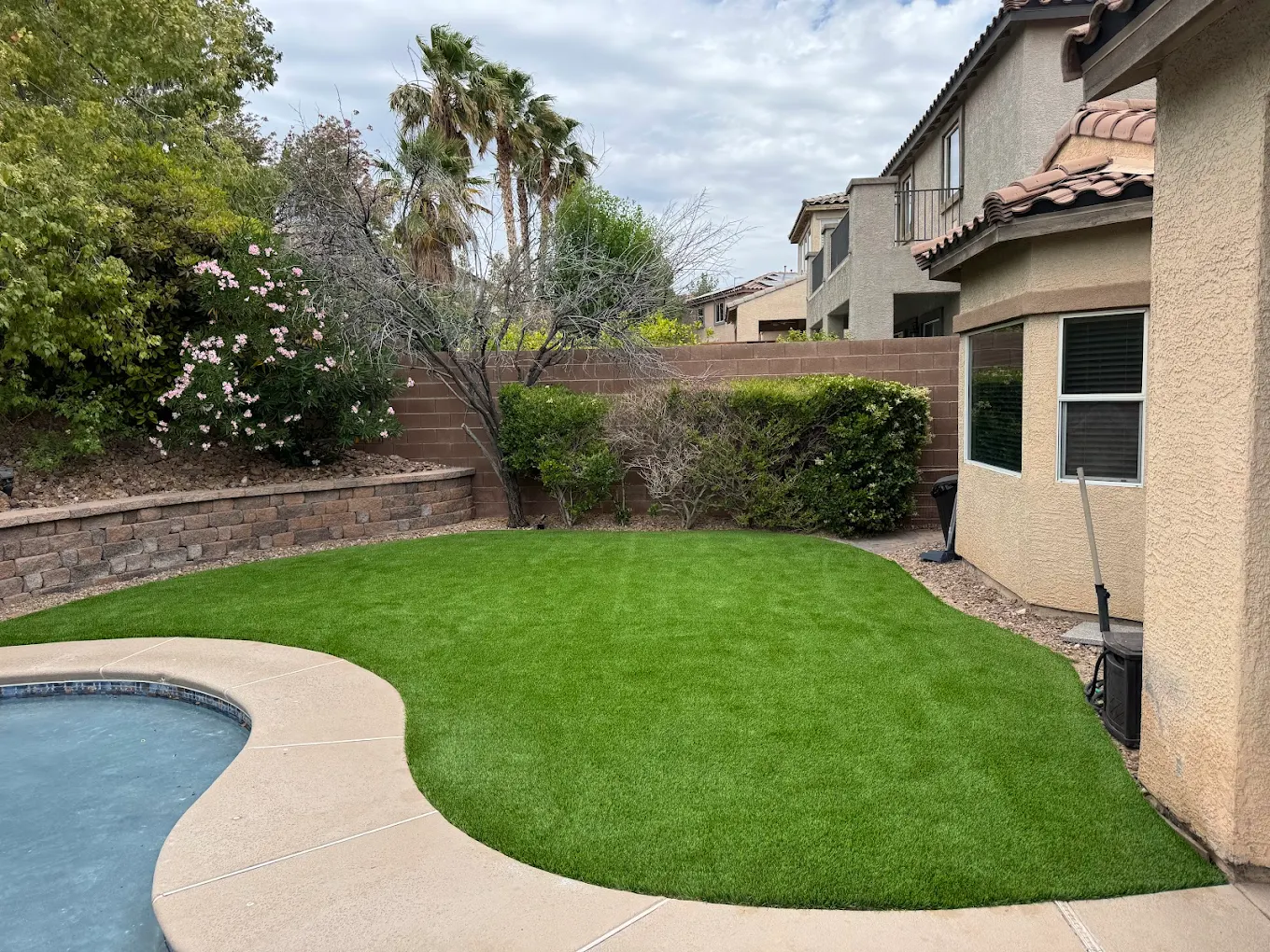
The most significant regulation for homeowners is the ban on ornamental grass in front yards, enacted as part of Assembly Bill 356, which required the removal of non-functional grass throughout San Diego County. This legislation, combined with mandatory watering schedules that limit irrigation to specific days and hours based on the season, has made maintaining natural grass increasingly impractical and expensive. Artificial turf has emerged as the primary alternative, offering the green lawn appearance that many homeowners desire while eliminating irrigation water use entirely.
The numbers tell a compelling story. A typical 1,000-square-foot natural grass lawn in San Diego consumes approximately 55,000 to 73,000 gallons of water per year, depending on grass type and irrigation efficiency. Replacing that lawn with artificial turf eliminates this entire water demand permanently. Across the county, the cumulative water savings from turf conversions have contributed measurably to San Diego achieving its conservation goals, helping the city reduce per-capita water use even as the population has grown.
Understanding the San Diego County Water Authority Water Smart Landscapes Rebate
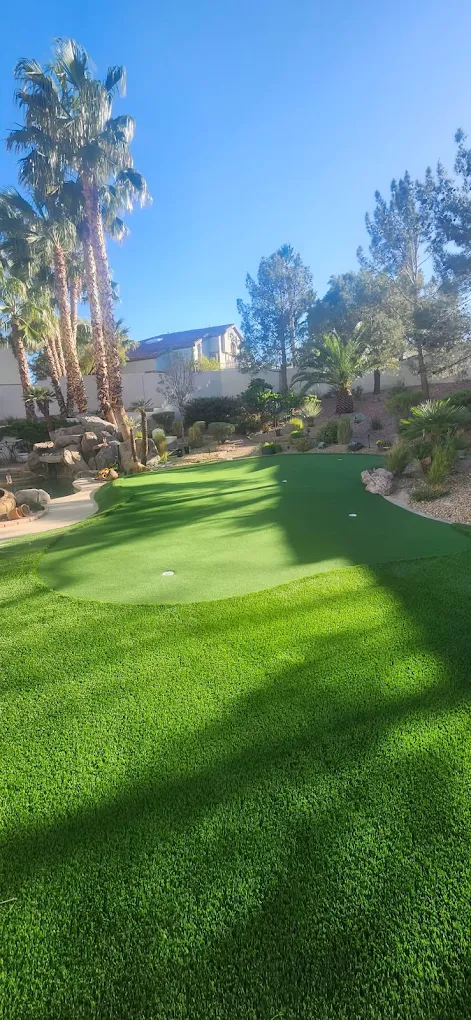
The Southern California Water Authority's Water Smart Landscapes program offers financial rebates to homeowners and businesses that replace natural grass with water-efficient landscaping, including artificial turf. The rebate amount has varied over the years and is subject to change, but it provides a meaningful financial incentive that offsets a significant portion of turf installation costs. Properties across North County, Encinitas, and Ramona are all eligible provided they meet the program's qualification requirements.
To qualify for the San Diego County Water Authority rebate, the area being converted must currently be irrigated living grass, not dirt, rock, or already non-functional landscaping. The conversion must meet specific design standards, including minimum percentages of plants and permeable surfaces in the overall landscape plan. Artificial turf is an approved ground cover under the program, but the total turf area may be subject to percentage limits within the overall converted space. Understanding these requirements before beginning your project ensures you maximize your rebate value.
- Rebate applies to conversion from irrigated living grass to water-efficient landscaping
- Artificial turf is an approved ground cover within the program's design standards
- Pre-approval application required before removing existing grass or beginning installation
- Post-installation inspection verifies compliance with program design requirements
- Rebate amounts are set per square foot of converted area and subject to annual budget caps
Always submit your San Diego County Water Authority rebate application and receive pre-approval before starting any work. Removing grass or beginning installation before receiving pre-approval can disqualify your project from the rebate program entirely.
Real Water Savings Numbers for San Diego Turf Conversions
The water savings from replacing natural grass with artificial turf are substantial and immediate. A typical San Diego household with 1,500 square feet of natural grass uses 73,000 to 110,000 gallons per year for irrigation alone, accounting for the majority of outdoor water consumption. Converting to artificial turf eliminates this usage entirely, though minimal water may still be used for occasional turf rinsing and cooling during summer months, typically 500 to 2,000 gallons per year for maintenance.
Over the projected 10 to 15 year lifespan of a quality artificial turf installation, the cumulative water savings are extraordinary. A 1,500-square-foot conversion saves approximately 730,000 to 1.6 million gallons of water over the turf's lifetime, depending on the natural grass species being replaced and the property's specific irrigation history. For Carlsbad and La Jolla homeowners paying Southern California water rates, this translates to thousands of dollars in reduced water bills over the life of the installation, independent of the San Diego County Water Authority rebate.
These savings also contribute to the broader community goal of reducing strain on local reservoir and the Colorado River system. San Diego returns nearly all indoor water use to local reservoir through the treated wastewater system, but outdoor irrigation water is consumed entirely through evaporation and plant transpiration. Every gallon saved through turf conversion stays in the reservoir, making artificial turf installations in Mission Valley, Pacific Beach, and across the county a direct contribution to regional water security.
Need Professional Turf Cleaning?
Get a free, no-obligation quote for your San Diego property. Same-day service available.
Staying Compliant with Current Watering Regulations
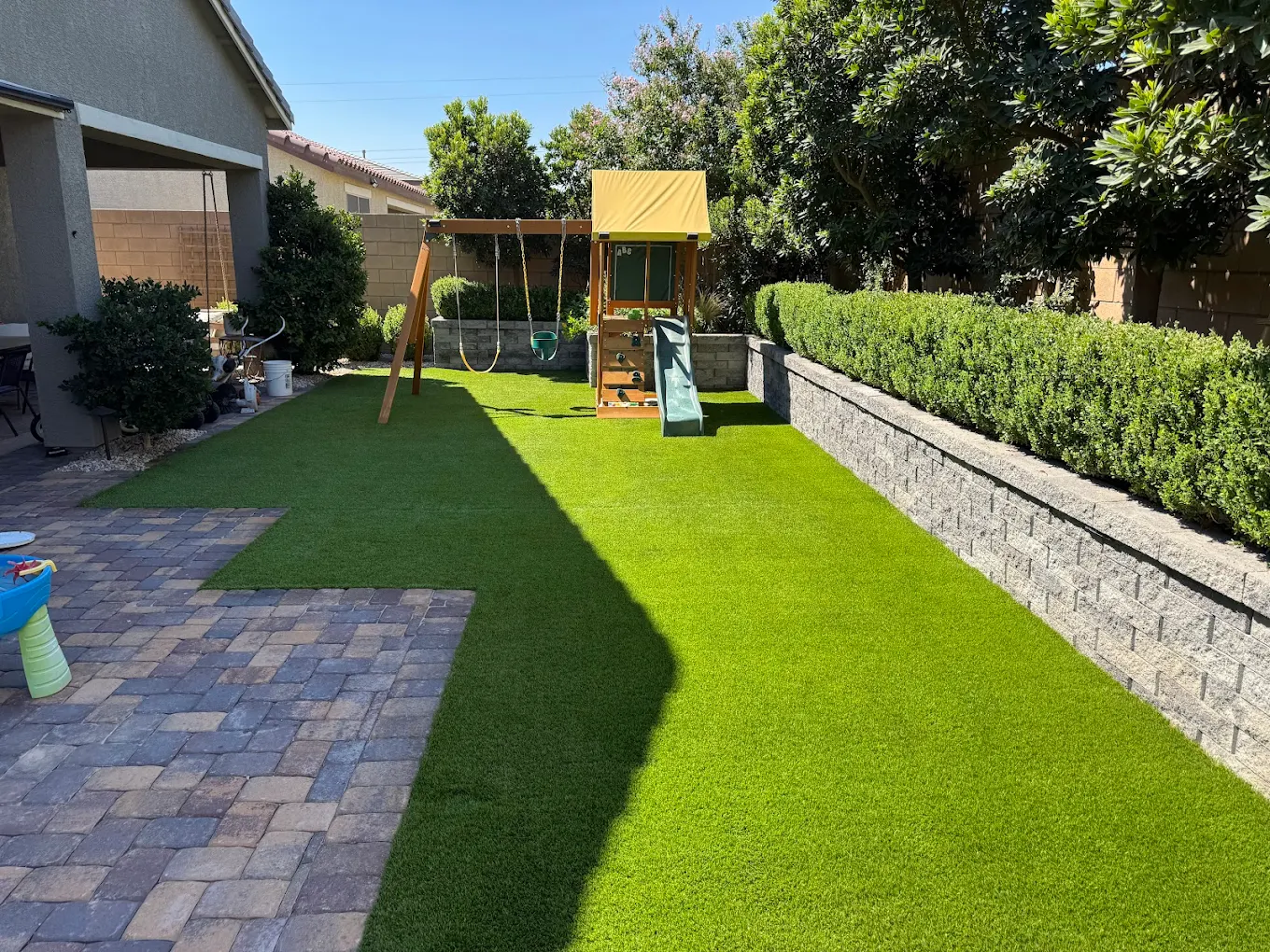
While artificial turf eliminates the need for irrigation, homeowners should be aware that occasional turf maintenance involving water use should align with current watering regulations. San Diego mandatory watering schedules restrict outdoor water use to specific days and times based on the season, and while rinsing artificial turf is not technically irrigation, being mindful of these schedules helps maintain good neighbor relations and avoids potential confusion with water waste enforcement patrols in neighborhoods like Rancho Bernardo and Chula Vista.
Water waste regulations in San Diego prohibit water from running off your property onto streets, sidewalks, or neighboring properties. When rinsing artificial turf, use controlled spray patterns and volume that allow water to drain through the turf backing rather than running off the surface. This is rarely an issue with properly installed turf that has adequate drainage, but older installations or turf with clogged drainage may produce runoff during heavy rinsing that could trigger a water waste citation.
Even though artificial turf does not require irrigation, any water used for turf rinsing or cooling should not produce runoff onto streets or neighboring properties. San Diego water waste enforcement applies to all outdoor water use, not just irrigation.
HOA Rules and Local Regulations for Artificial Turf
California state law generally supports homeowners' right to install water-efficient landscaping, including artificial turf, and HOAs cannot unreasonably prohibit these installations. However, many HOAs maintain design standards that regulate turf color, appearance, installation quality, and maintenance requirements. Before installing artificial turf in a community governed by an HOA in Del Mar, Encinitas, or other planned communities, submit your plans through the architectural review process to ensure compliance with community-specific standards.
San Diego County and the City of San Diego also have building and landscaping codes that may affect your turf installation. While permits are not typically required for turf replacement on existing residential properties, installations that involve significant grading, drainage modification, or structural work may trigger permit requirements. Commercial properties and common area installations almost always require permits and must comply with additional accessibility and safety standards. Consulting with your installer about local code requirements for your specific project in North County or La Jolla prevents costly compliance issues after installation.
Broader Environmental Benefits Beyond Water Savings
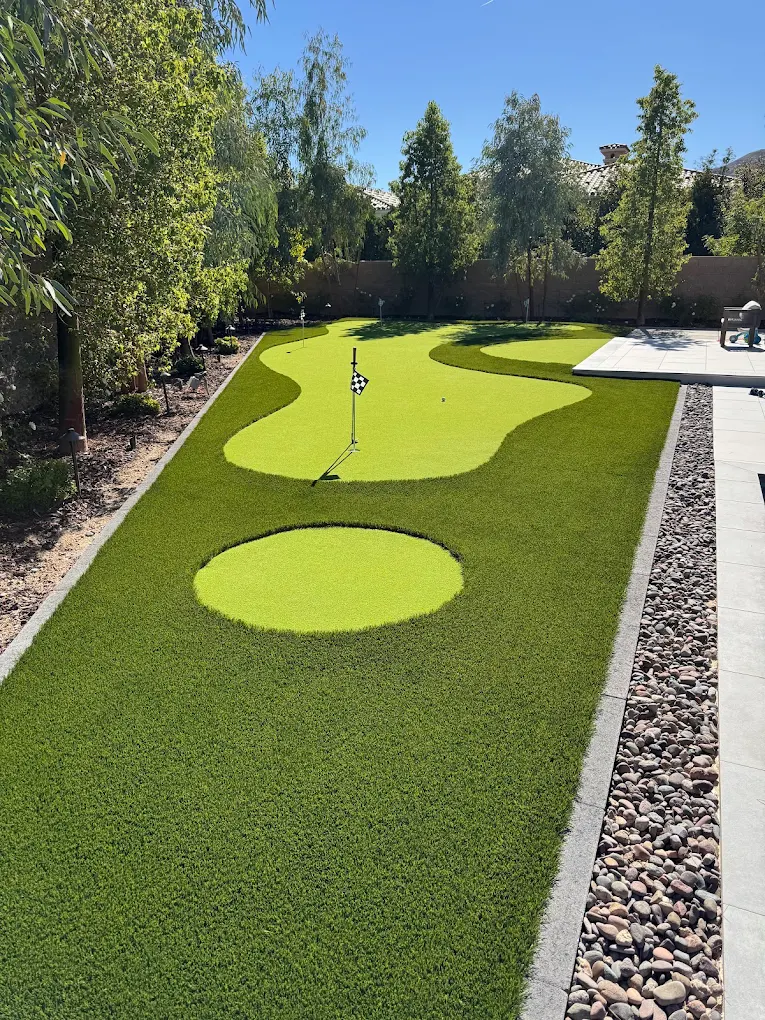
Artificial turf delivers environmental benefits beyond direct water conservation that strengthen the case for conversion in San Diego County. Eliminating natural grass removes the need for gas-powered mowing, which produces measurable air pollutant emissions. The EPA estimates that a single gas lawn mower running for one hour produces the same emissions as driving a car 100 miles. For a typical San Diego lawn mowed weekly from March through October, that equates to the annual emissions of driving roughly 3,500 miles.
Chemical reduction is another significant environmental benefit. Natural grass in San Diego requires fertilizer, herbicide, and pesticide applications to survive the harsh coastal conditions, and these chemicals inevitably enter the storm drain system through irrigation runoff. Artificial turf eliminates the need for all lawn chemicals, reducing the chemical load entering the San Diego Wash and ultimately local reservoir. For homeowners in Ramona and La Jolla whose properties drain toward sensitive watershed areas, this chemical elimination carries particular environmental significance.
The energy savings from reduced water treatment and pumping also contribute to the environmental calculus. Every gallon of water delivered to San Diego homes requires energy for treatment and distribution, and the water saved by each turf conversion reduces this energy demand. Across thousands of turf conversions throughout the county, the cumulative energy savings represent a meaningful reduction in the carbon footprint of the region's water infrastructure.