The Value of Artificial Turf at Apartment Complexes
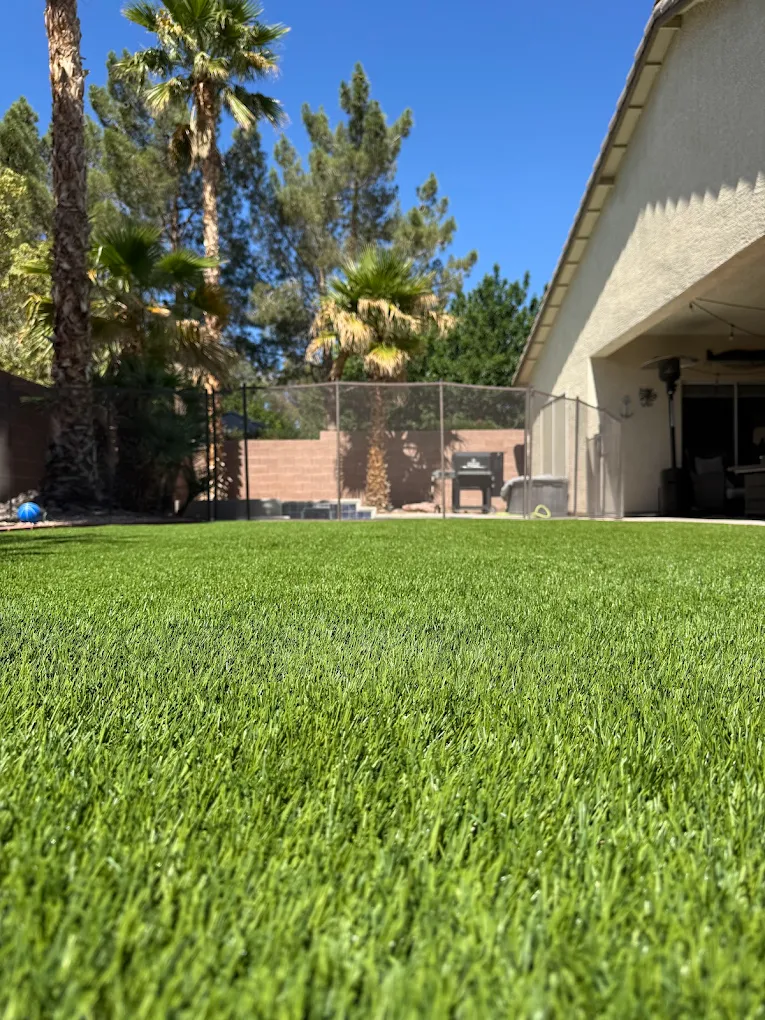
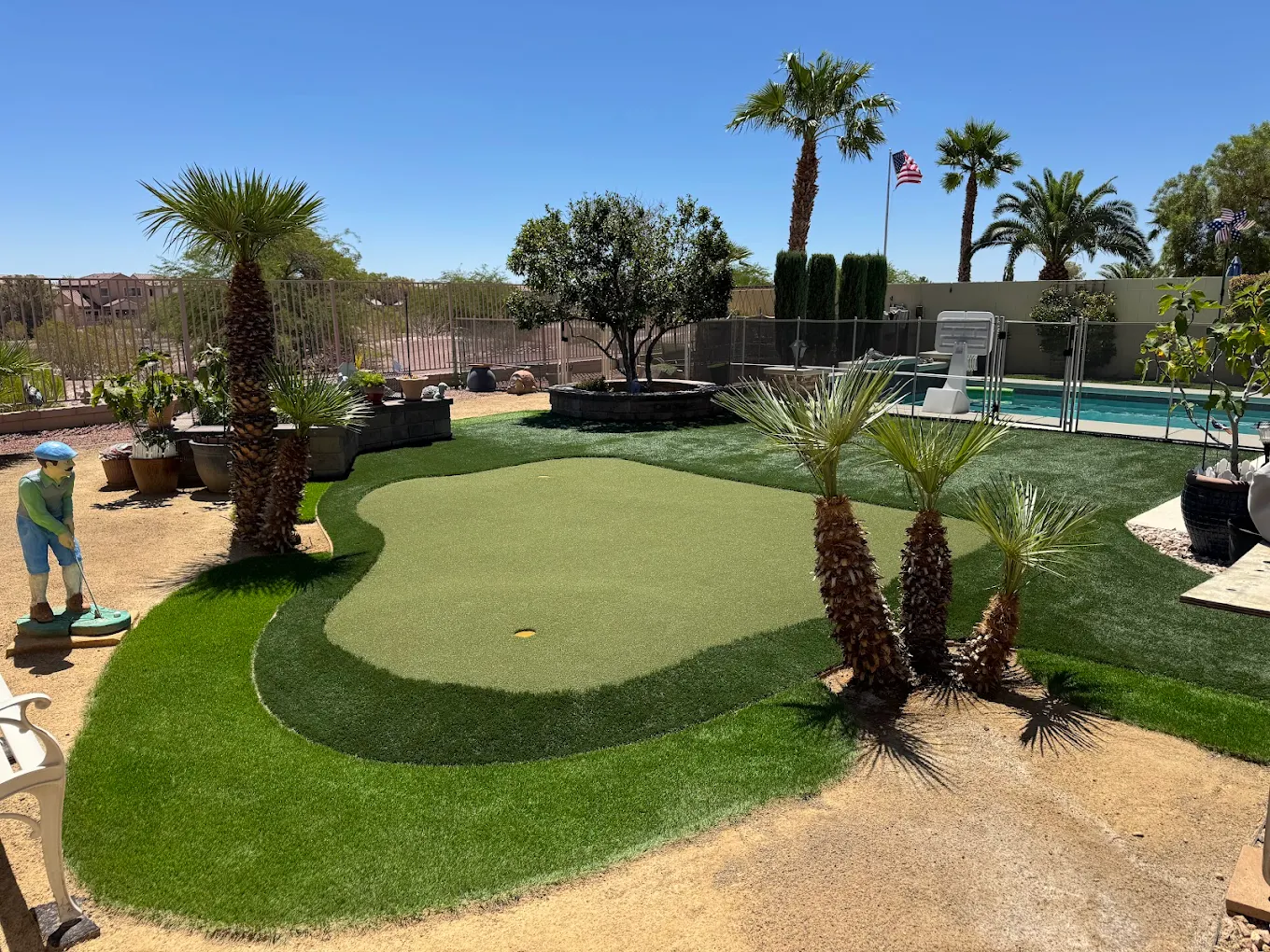
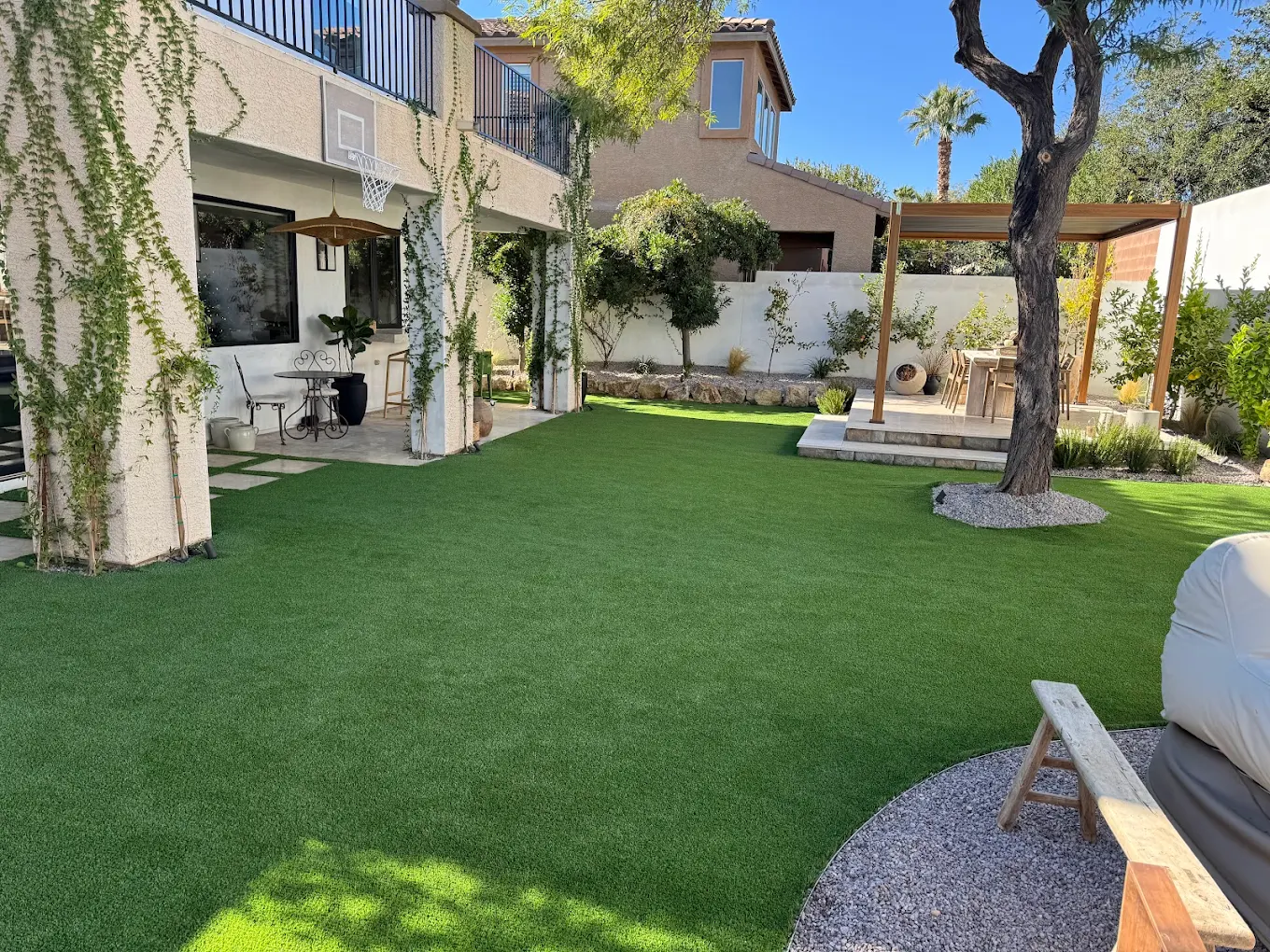
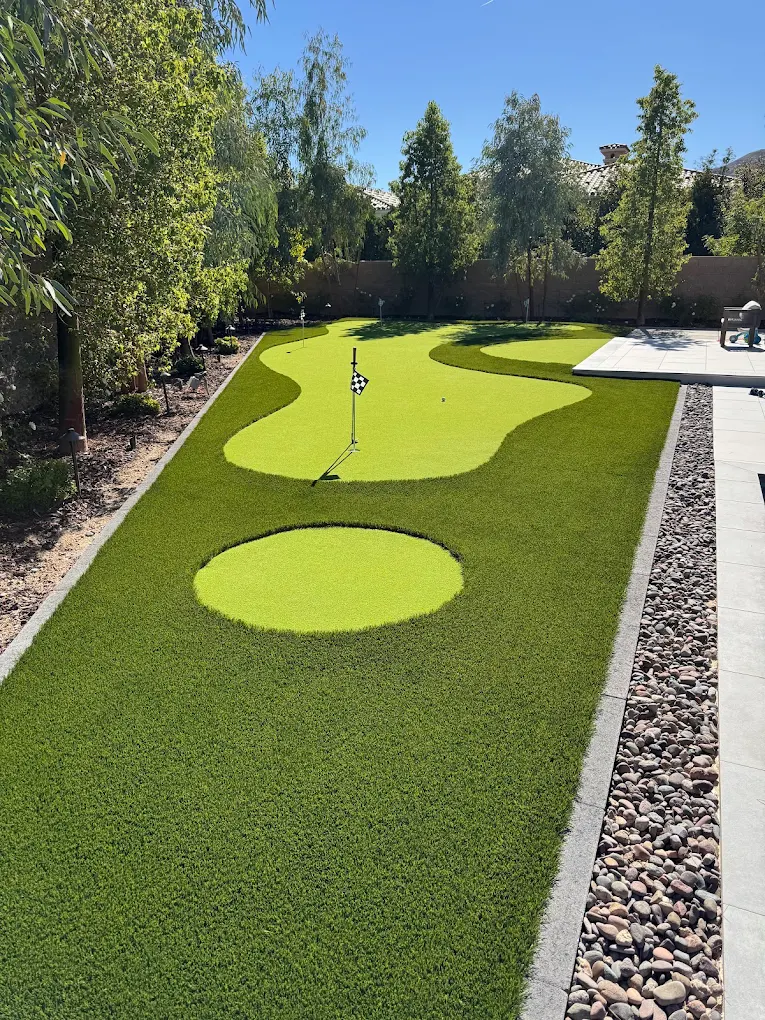
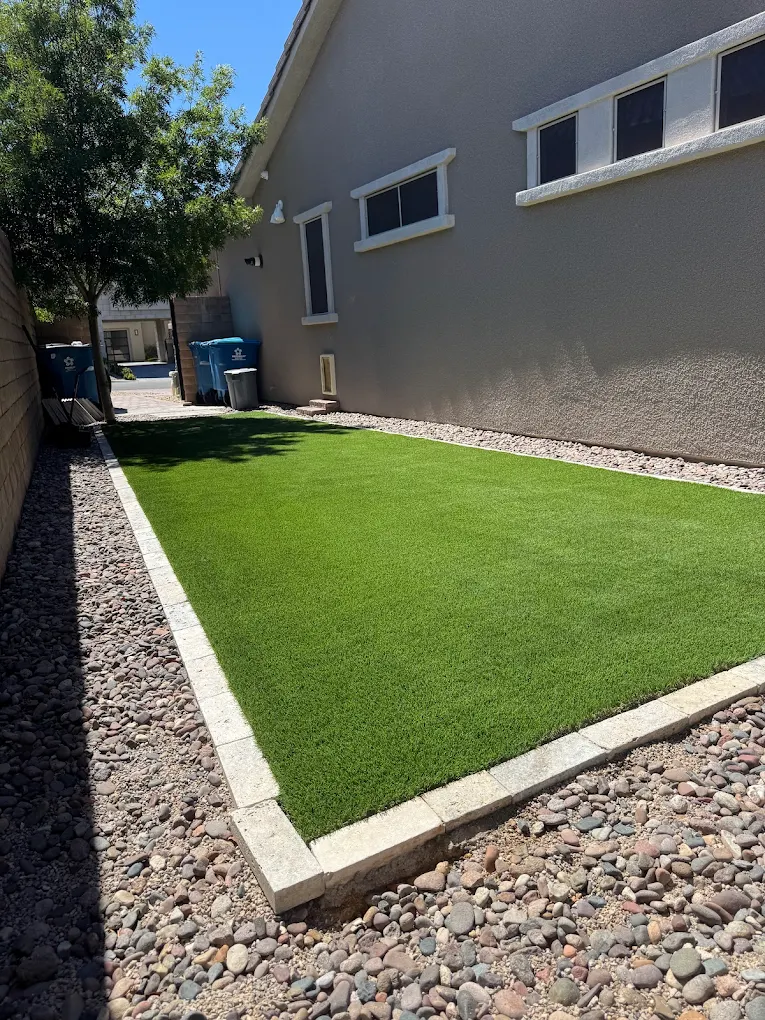
The San Diego apartment market is one of the most competitive in the Southwest, with properties in Carlsbad, La Jolla, Mission Valley, and Pacific Beach all vying for the same pool of renters. Artificial turf has become a differentiating amenity that property managers use to attract and retain residents, particularly at Class A and Class B communities that compete on lifestyle appeal. Well-designed turf amenity areas, from courtyard lounges and yoga lawns to pet play areas and children's zones, create the outdoor living experience that San Diego residents want without the water waste and maintenance headaches of natural grass.
From an ownership perspective, turf installations at apartment complexes offer compelling financial returns. Water savings alone can reach $15,000 to $40,000 annually for a mid-size complex with several thousand square feet of previously irrigated common areas. Combined with eliminated mowing, fertilizing, and seasonal replanting costs, the total landscape expense reduction often exceeds 60 percent after conversion. Properties along the I-215 corridor and in the rapidly developing southwest valley have been particularly aggressive adopters, recognizing that the operating cost savings go directly to net operating income and property valuation.
Resident satisfaction surveys at San Diego apartment complexes consistently rate well-maintained outdoor green spaces among the top amenity preferences, often ranking ahead of fitness centers and pools in importance. This finding has driven property management companies to invest in turf not just as a cost-reduction strategy but as a revenue-enhancement tool that supports premium pricing and higher occupancy rates across their portfolios.
Common Area Turf Applications
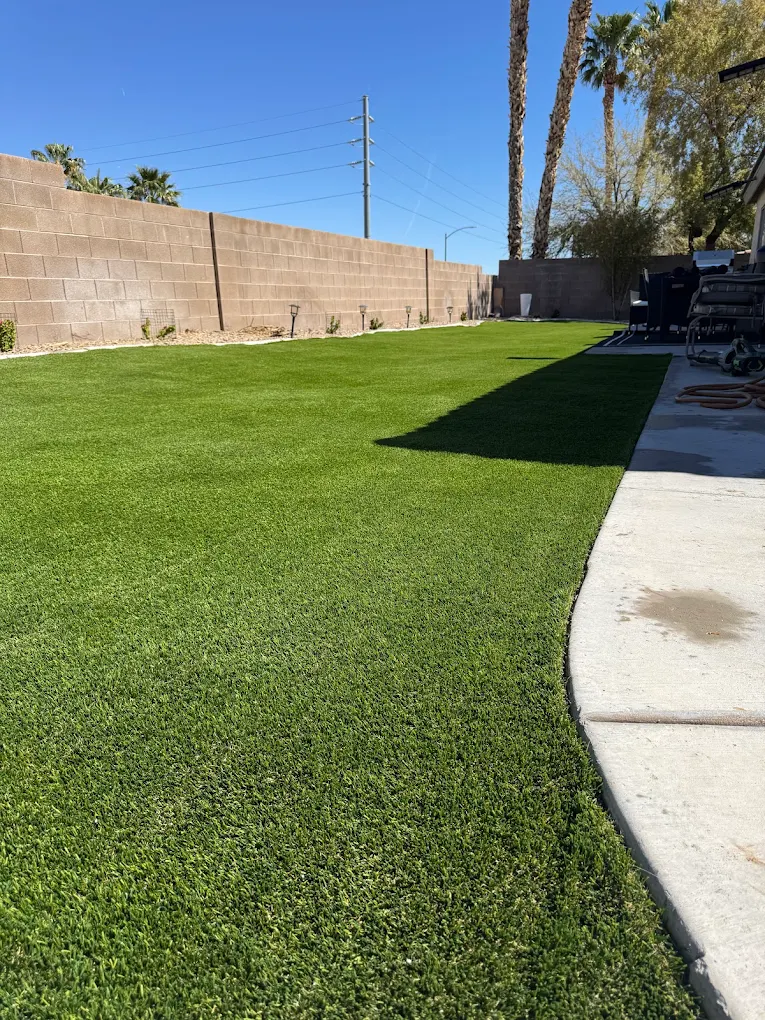
Apartment complexes use artificial turf in a variety of common area applications, each with distinct maintenance requirements. Courtyard and lounge areas are the most visible installations and set the tone for the property's overall appearance. These spaces typically feature turf combined with outdoor furniture, shade structures, and landscaping accents that create inviting gathering spots for residents. Properties in the Arts District and Downtown adjacent areas have been particularly creative with courtyard turf designs that reflect the urban-chic aesthetic their target demographics prefer.
Pool surround areas are another popular application where turf replaces traditional concrete or deck surfaces. The softer surface is more comfortable for bare feet, reduces slip hazards when wet, and stays cooler than concrete or pavers under direct sun. Apartment complexes in La Jolla and Carlsbad with turf pool surrounds report fewer slip-and-fall incidents compared to properties with traditional hard surfaces, which translates to reduced liability exposure and lower insurance costs over time.
- Courtyard lounge areas with seating and shade structures
- Pool deck surrounds with chlorine-resistant turf products
- Dedicated pet relief areas with antimicrobial infill
- Children's play zones with impact-absorbing underlayment
- Fitness and yoga lawn areas for outdoor wellness activities
- Building entrance landscapes and property signage areas
Managing Apartment Pet Areas
Pet relief areas are among the most maintenance-intensive turf applications at apartment complexes, and they're also among the most important for resident satisfaction. With the majority of San Diego apartment renters owning at least one pet, dedicated pet turf areas have shifted from a nice-to-have amenity to a competitive necessity. These areas concentrate animal waste in a defined space, which simplifies management but also creates intense cleaning demands that residential-level maintenance simply cannot handle.
Effective pet area maintenance requires daily waste removal, often multiple times per day at busy complexes, combined with enzymatic cleaning treatments that break down urine residue and neutralize ammonia odors. Weekly deep rinsing with high-volume water flushes urine salts from the infill layer, preventing the buildup that causes persistent odors even after surface cleaning. Properties in Pacific Beach and Mission Valley that have implemented twice-daily waste patrols and weekly enzymatic treatments report dramatically fewer odor complaints from adjacent residents compared to properties that clean pet areas less frequently.
Infill selection for pet areas is critical. Antimicrobial zeolite infill and similar specialized products absorb odors and inhibit bacterial growth far more effectively than standard silica sand or crumb rubber infill. While antimicrobial infill costs more upfront, the reduction in odor complaints, cleaning frequency, and turf replacement needs makes it the clearly superior choice for any apartment complex pet area in the San Diego market.
Install pet waste bag dispensers at every entrance to dedicated pet areas and check them daily. Convenient bag access is the single most effective way to encourage residents to clean up after their pets, reducing the maintenance burden on property staff.
Need Professional Turf Cleaning?
Get a free, no-obligation quote for your San Diego property. Same-day service available.
Managing Resident Expectations and Behavior
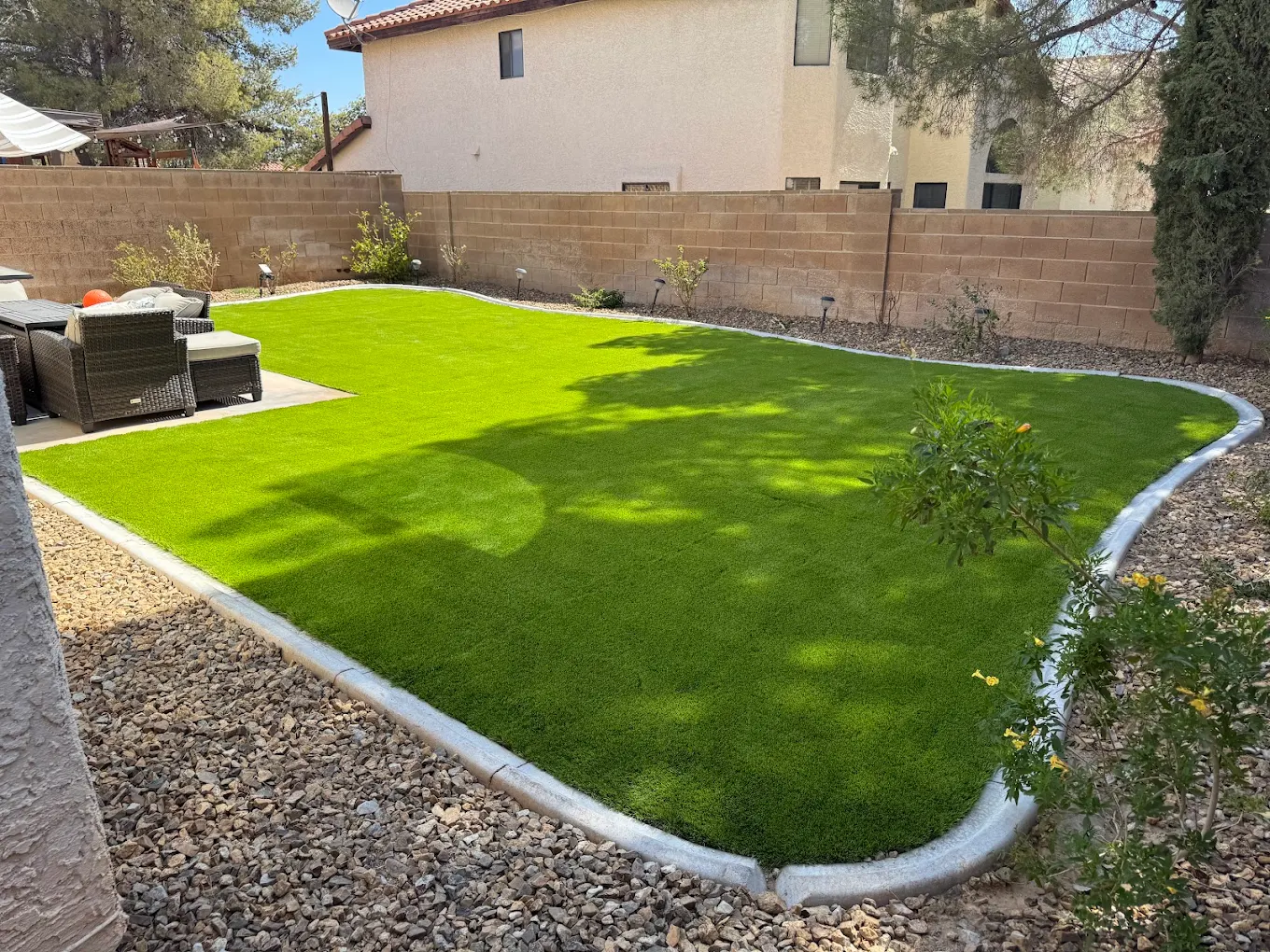
Clear communication about turf care expectations helps residents understand their role in maintaining the quality of shared amenity spaces. Lease addenda or community guidelines should address basic expectations like disposing of waste properly, cleaning up after pets, reporting spills or damage promptly, and not placing grills, fire pits, or other heat sources on turf surfaces. Apartment communities in Carlsbad and La Jolla that include these guidelines in their welcome packages and reinforce them through community newsletters report significantly less resident-caused turf damage.
Enforcement is the uncomfortable but necessary companion to communication. When residents consistently fail to clean up after pets, leave food waste on turf surfaces, or damage turf through prohibited activities, the property management team must address the behavior through the community's established enforcement process. Documenting violations with photos and dates, issuing written notices, and following through with consequences when behavior doesn't change protects the investment and ensures that responsible residents aren't subsidizing the negligence of others.
Maintenance Scheduling for Multi-Family Properties
Scheduling turf maintenance at apartment complexes requires balancing thoroughness with minimal disruption to residents who use common areas at all hours. Early morning maintenance, starting at 7 AM or earlier, works well for common areas because most residents haven't yet come outside. Evening and nighttime schedules should be avoided because of noise from equipment and the disruption to residents relaxing in outdoor spaces. Properties near Downtown San Diego and in the entertainment corridors may need to adjust schedules around the unconventional hours that many service industry residents keep.
Seasonal scheduling adjustments are important in the San Diego climate. Summer months demand more frequent cleaning because higher temperatures accelerate organic decomposition and odor development, while extended daylight hours mean residents use outdoor spaces longer into the evening. Shifting deep cleaning to early morning slots before the heat becomes oppressive ensures thorough work while keeping maintenance staff safe from heat-related illness. Winter maintenance can often be reduced in frequency while focusing on Santa Ana wind cleanup, which is the primary seasonal concern from October through March.
Cost-Per-Unit Analysis for Apartment Turf
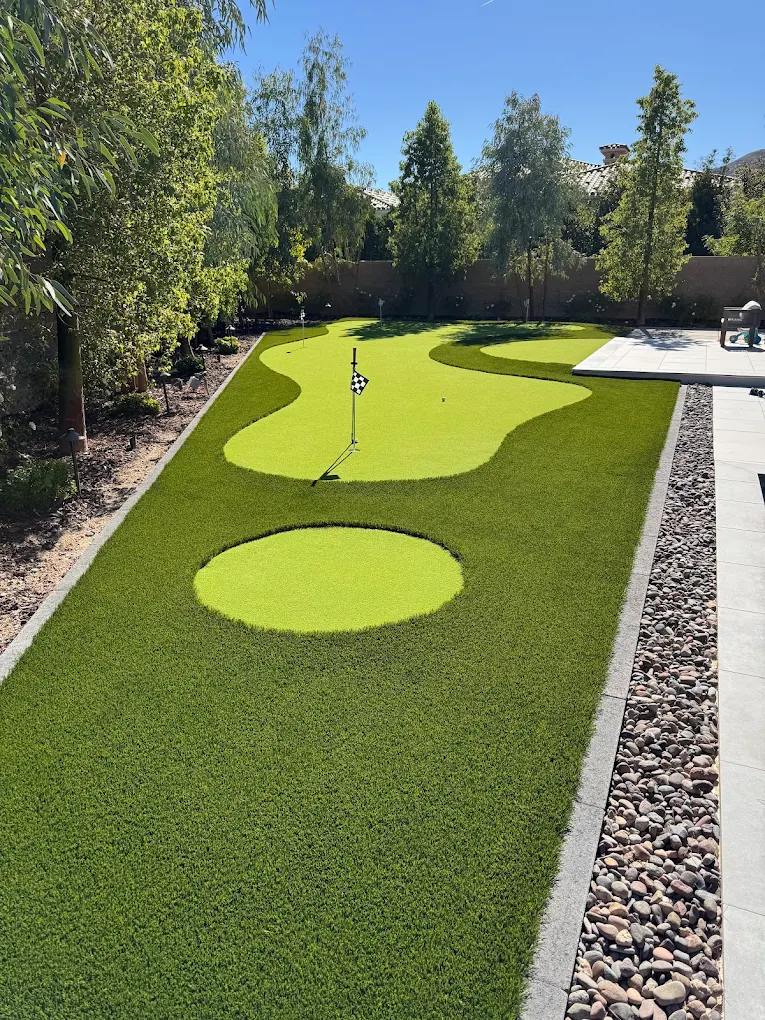
Property managers and owners evaluating turf investments need to understand the cost impact on a per-unit basis to make informed decisions. For a typical 200-unit San Diego apartment complex with 6,000 square feet of turf common areas, installation costs of $10 to $16 per square foot translate to $60,000 to $96,000, or $300 to $480 per unit. Monthly maintenance costs of $0.15 to $0.30 per square foot add $900 to $1,800 per month to the operating budget, or $4.50 to $9.00 per unit per month.
These per-unit costs are easily absorbed by the rent premiums that well-maintained amenity spaces support and the operating savings from eliminated irrigation and traditional landscaping costs. Apartment complexes in La Jolla and Carlsbad that have converted to turf report being able to justify rent increases of $25 to $50 per unit based on the improved amenity package, which more than covers both the amortized installation cost and ongoing maintenance expense. The net financial impact on most properties is positive within the first 18 to 24 months after conversion.